Indonesia Expects Final US Tariff Rate on Exports to Reach 18 Percent
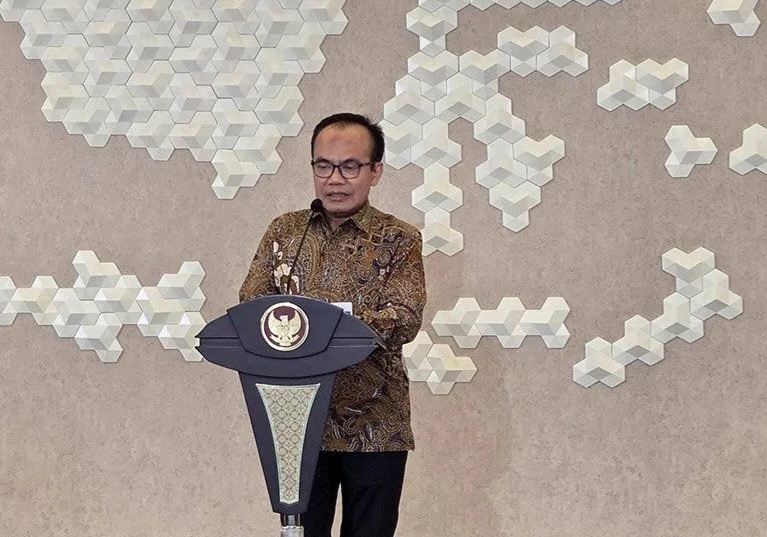
Jakarta, The Gulf Observer: The Indonesian government expects the final tariff rate on its exports to the United States to be set at 18 percent, pending the outcome of ongoing discussions with Washington and the completion of the United States Trade Representative’s (USTR) Section 301 investigation.
Secretary of the Coordinating Ministry for Economic Affairs, Susiwijono Moegiarso, said on Saturday that Indonesia is currently subject to a temporary 10 percent tariff, which will remain in effect until July 24.
He explained that after the temporary measure expires, Indonesia is expected to face a 10 percent tariff under the USTR’s Section 301 investigation related to forced labor concerns, along with an additional tariff linked to structural excess capacity issues.
Taking into account the combined tariff measures and exemptions granted for several commodities, Indonesia projects that the final tariff burden on its exports to the United States will stand at 18 percent.
“We targeted this figure as the final outcome of the process to ensure clarity and continuity in the implementation,” Moegiarso said.
The official noted that the projected tariff rate remains subject to the completion of legal and administrative procedures in the United States. The U.S. administration is currently seeking public comments on the investigation’s findings and is expected to hold hearings before making a final determination.
Despite the ongoing review, Moegiarso said Indonesia remains in a relatively favorable position regarding the USTR’s findings, which covered Indonesia and dozens of other countries.
According to the USTR report, Indonesia is among a limited number of countries that have enacted laws prohibiting forced labor but were found to have shortcomings in effectively enforcing those regulations.
Moegiarso emphasized that the Section 301 investigation forms part of broader bilateral trade cooperation between Indonesia and the United States. He added that commitments reached between the two countries are also expected to support Indonesia’s efforts to join the Organization for Economic Co-operation and Development (OECD).
“The conclusion of the structural excess capacity review is expected within several weeks after the temporary tariff expires on July 24,” he said.
The USTR also identified Canada, Ecuador, the European Union, Mexico and Pakistan as economies that have not effectively enforced prohibitions on imports produced through forced labor. The agency has proposed an additional 10 percent tariff on imports from these six economies, including Indonesia.
Furthermore, the USTR found that 54 other countries had failed to establish and effectively enforce relevant labor standards and proposed an additional 12.5 percent tariff on imports originating from those countries.