President Prabowo Reviews West Kalimantan Wildfires, Seeks Effective Containment Strategy
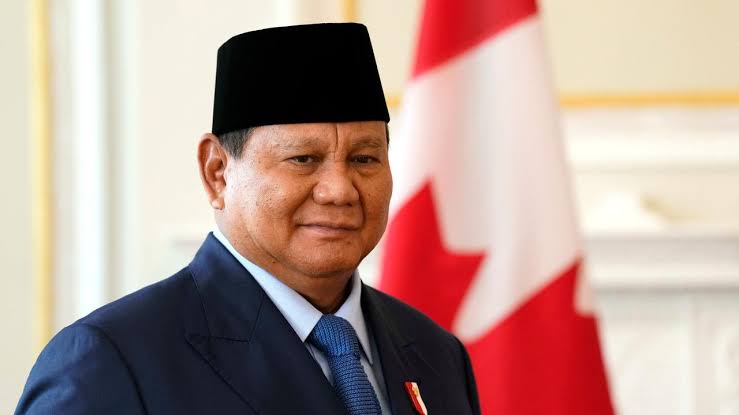
Jakarta, The Gulf Observer: Indonesian President Prabowo Subianto has reviewed the wildfire situation in West Kalimantan and called for comprehensive assessments to determine the most effective strategy to contain the fires.
Chairing a coordination meeting on wildfire containment in Kubu Raya District on Saturday, President Prabowo said he wanted to assess conditions on the ground and receive detailed briefings on the situation before deciding on further measures.
The meeting brought together representatives from central and regional government institutions, ministries and state agencies, local administrations, military and police forces, as well as regional disaster management authorities.
During the meeting, National Disaster Mitigation Agency (BNPB) expert staff member Asrianus Bulo presented the results of a 24-hour satellite observation of fire hotspots. The monitoring identified 198 high-confidence hotspots across West Kalimantan, along with 3,100 medium-confidence hotspots and 406 lower-confidence hotspots.
According to Bulo, the majority of the hotspots were concentrated in Ketapang, Kubu Raya and North Kayong districts in the southern part of the province. Significant concentrations were also detected in Sanggau, Sintang and Sambas districts.
President Prabowo was also briefed on weather conditions, which are considered critical to ongoing firefighting and containment operations. Light rain has been forecast in eastern parts of West Kalimantan between August 21 and 27.
Bulo said weather modification operations had previously been carried out from August 11 to 18 but were temporarily suspended due to unfavorable cloud conditions. The BNPB plans to resume the operations from August 23 to 27 in coordination with the Meteorology, Climatology and Geophysics Agency (BMKG).
The president’s review is aimed at establishing a clearer assessment of the wildfire situation and determining coordinated follow-up measures involving both central and regional authorities.