Ramaphosa to Deliver Keynote Address at 2026 National Women’s Day Commemoration
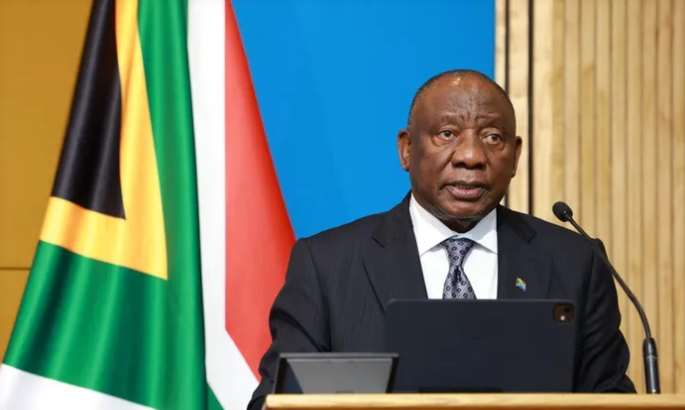
Pretoria, The Gulf Observer: South African President Cyril Ramaphosa will deliver the keynote address at the 2026 National Women’s Day commemoration at the Union Buildings in Pretoria on Sunday, as the country marks the 70th anniversary of the historic 1956 women’s march.
According to the Presidency, this year’s commemoration will honour the more than 20,000 women who marched to the Union Buildings in 1956 in protest against the apartheid government’s decision to extend urban pass laws to women.
The historic protest became a defining moment in South Africa’s struggle against apartheid and contributed to major political developments in the decades that followed, ultimately leading to the end of the racist regime.
The 2026 National Women’s Day commemoration is being held under the theme “Empowered Women, Empower Nations.”
National Women’s Day has been observed annually on August 9 since 1994 as part of Women’s Month, providing an opportunity to recognise the contributions of women to South Africa’s democratic development and highlight efforts to advance gender equality.
This year’s celebrations place particular emphasis on improving women’s access to quality healthcare, which the government considers essential to sustainable development, social justice and economic growth.
The Presidency said Women’s Month also provides an opportunity for government and civil society to highlight challenges facing women and showcase programmes and policies aimed at promoting women’s empowerment and gender equity.
The commemorations will also pay tribute to generations of women, including anti-apartheid activist Lilian Ngoyi, whose struggles helped lay the foundations for progress in the democratic era in advancing women’s rights and gender equality.
Speaking at the launch of Women’s Month on August 1, Minister in the Presidency for Women, Youth and Persons with Disabilities Sindisiwe Chikunga reflected on the enduring legacy of the women who participated in the 1956 march.
She said the women who marched against apartheid had challenged the foundations of oppression and helped shape the country’s path towards liberation, democracy and a more equal society.
Chikunga noted that the legacy of the 1956 march continues to resonate across South African society, including in education, business, Parliament and other sectors where women are playing an increasingly prominent role.