Saudi Cabinet Approves Unified National Visa Platform, Reviews Key International and Domestic Initiatives
Jeddah, The Gulf Observer: The Saudi Cabinet on Tuesday approved the establishment of a unified national visa platform under the Ministry of Foreign Affairs, designating it as the Kingdom’s official platform for all visa services, as part of ongoing efforts to enhance government efficiency and streamline consular procedures.
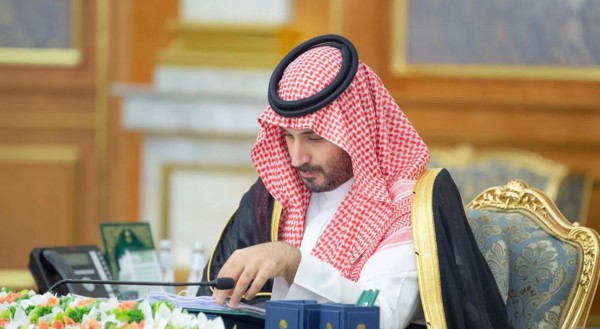
The Cabinet session, chaired by Crown Prince and Prime Minister Prince Mohammed bin Salman in Jeddah, also approved agreements with Hungary, Kazakhstan and Poland on the mutual exemption of visa requirements for holders of diplomatic, service and special passports.
During the meeting, the Cabinet reviewed Saudi Arabia’s recent diplomatic engagements and efforts to strengthen cooperation with brotherly and friendly countries, promote international peace and security, address global challenges, and expand opportunities for sustainable development and prosperity.
Minister of Media Salman Al-Dosari said the Cabinet commended the active participation of the Saudi delegation during the United Nations Counter-Terrorism Week, reaffirming the Kingdom’s commitment to working closely with international organizations to combat terrorism, eliminate its root causes, disrupt its financing networks and enhance global efforts against extremist threats.
The Cabinet also welcomed the unanimous adoption by the United Nations Human Rights Council, during its 62nd session, of a Saudi-led resolution on empowering women in cybersecurity. The resolution supports the global initiative launched by Crown Prince Mohammed bin Salman and aims to advance women’s participation in the cybersecurity sector through practical international cooperation.
Reviewing the Kingdom’s technological achievements, the Cabinet noted Saudi Arabia’s first-place global ranking in the 2026 ICT Development Index issued by the International Telecommunication Union, describing it as a reflection of the Kingdom’s advanced digital infrastructure, progressive regulatory framework, and growing leadership in technology and artificial intelligence.
The Cabinet observed that the achievement coincides with the continued expansion of Saudi Arabia’s digital economy, which has become the largest in the Middle East and North Africa.
The ministers also highlighted Saudi Arabia’s election for a second consecutive term as President of the Executive Council of the Arab Civil Aviation Organization, describing it as recognition of the Kingdom’s leadership in advancing regional and international civil aviation and supporting the development of the air transport sector.
The Cabinet further welcomed the World Bank’s recognition of Saudi Arabia’s artificial intelligence regulatory sandbox in education, describing it as a leading international model for promoting sustainable digital education, encouraging innovation, and enabling educational institutions to develop practical AI-based solutions.
On domestic affairs, the Cabinet reviewed performance indicators across several strategic sectors and praised the continued growth of the Kingdom’s nonprofit sector. It noted that the contribution of nonprofit organizations to the national economy continues to increase, with the number of registered nonprofit organizations surpassing 7,200 by the end of 2025, while the number of volunteers reached approximately 1.7 million.
The Cabinet also authorized the Chairman of the Nuclear and Radiological Regulatory Commission, or his deputy, to negotiate and sign a draft memorandum of understanding with the Canadian Nuclear Safety Commission to enhance cooperation and exchange information in the fields of nuclear and radiological regulation.