South Africa Renews Call for Permanent African Seat on UN Security Council
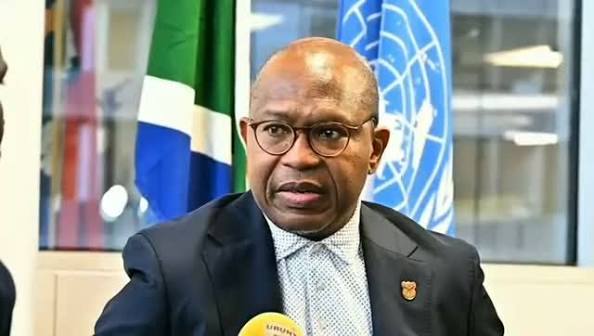
New York, The Gulf Observer: South Africa is advocating greater African representation on the United Nations Security Council, using ongoing intergovernmental negotiations on UN reform to advance the African Union’s position for permanent representation.
South Africa’s Permanent Representative to the United Nations in New York, Ambassador Mxolisi Sizo Nkosi, said reform of the Security Council remains an important priority for Pretoria during the 81st session of the UN General Assembly.
Nkosi said South Africa would continue working through the UN’s Intergovernmental Negotiations (IGN) process to build support for the African position outlined in the Ezulwini Consensus, which calls for the reform and expansion of the Security Council.
The Security Council currently consists of 15 members, including five permanent members and 10 non-permanent members elected by the General Assembly for two-year terms. The UN’s reform process addresses issues including equitable regional representation and an increase in Council membership.
According to Nkosi, South Africa believes the Council’s composition should better reflect contemporary global realities, particularly by addressing Africa’s absence from the permanent membership category.
He said Africa’s case for permanent representation is linked to the continent’s demographic, economic and geopolitical importance, as well as its direct involvement in matters concerning international peace and security.
Nkosi said South Africa would continue advancing the Ezulwini Consensus through the IGN process, while the specific form of African representation would be addressed once broader agreement on Security Council expansion is reached.
The UN has continued its intergovernmental negotiations on Security Council reform, with discussions covering the size of an expanded Council, categories of membership, regional representation, the veto and the Council’s working methods and relationship with the General Assembly.
South Africa’s position is part of its broader call for a multilateral system that it says should be more representative and responsive to contemporary global challenges.
Nkosi said South African Minister of International Relations and Cooperation Ronald Lamola, who is leading the country’s delegation to the 81st UN General Assembly, would outline South Africa’s positions on various international issues during the General Debate.
He added that UN reform, international peace and security, the global economy, climate change, artificial intelligence governance and the selection of a new UN Secretary-General would feature among South Africa’s engagements during the high-level week.