Tajikistan, Georgia Agree to Deepen Strategic Partnership, Sign Cooperation Agreements
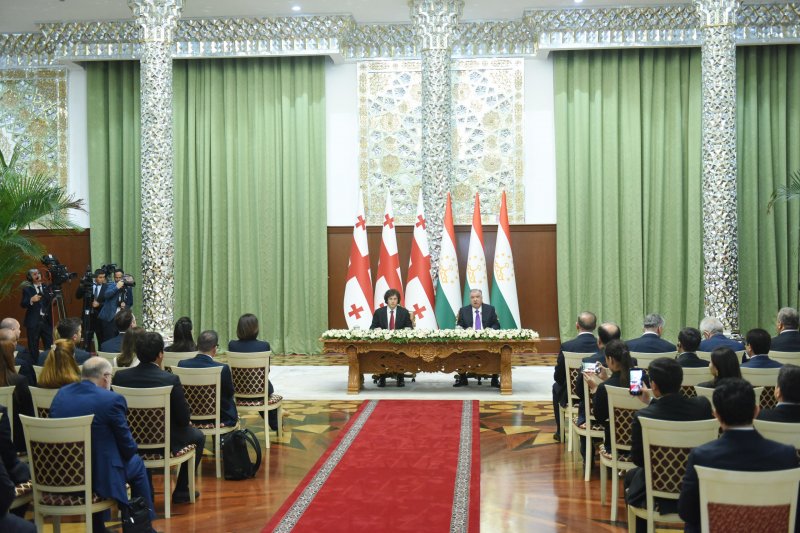
Dushanbe, The Gulf Observer: The Republic of Tajikistan and Georgia have agreed to strengthen bilateral relations and expand cooperation across a wide range of sectors following the official visit of Georgian Prime Minister Irakli Kobakhidze to Tajikistan on June 19-20, 2026.
During high-level talks held in an atmosphere of mutual understanding and trust, the two sides described the visit as a significant milestone that opens a new chapter in the history of relations between Tajikistan and Georgia.
Drawing on longstanding historical ties and friendship between their peoples, and reaffirming their commitment to the diplomatic relations established on August 4, 1994, both countries expressed their determination to further strengthen interstate relations and mutually beneficial cooperation in line with their long-term national interests.
The parties reviewed the current state and future prospects of bilateral relations and reiterated their commitment to developing cooperation based on the principles of sovereignty, equality, mutual respect and mutual benefit. They also emphasized the importance of expanding political dialogue at all levels and called for revitalizing the activities of the Tajikistan–Georgia Parliamentary Friendship Group.
The two countries agreed to deepen cooperation in key sectors, including trade, investment, transport and transit, agriculture, science and education, culture, tourism, healthcare, sports and youth affairs.
Both sides highlighted the considerable potential for further development of bilateral ties and reaffirmed the importance of close foreign policy coordination and mutual support on major international issues.
Tajikistan and Georgia also pledged to strengthen cooperation within international organizations, including the United Nations and Organization for Security and Co-operation in Europe, to promote peace, stability and security while reaffirming their commitment to the principles and objectives of the UN Charter.
The parties further agreed to enhance collaboration in addressing global challenges such as terrorism, extremism, illicit drug trafficking, cybercrime and transnational organized crime.
Economic cooperation featured prominently in the discussions, with both countries expressing their intention to increase bilateral trade, diversify exports and imports, and strengthen cooperation in agriculture, innovation, energy and industrial sectors, including mining, metallurgy, light industry and manufacturing.
Recognizing the growing importance of technology-driven development, Tajikistan and Georgia agreed to expand cooperation in the fields of digital economy, information and communication technologies, innovation and e-government, while exchanging expertise and best practices.
A key outcome of the visit was the signing of an agreement establishing a Joint Intergovernmental Commission on Economic Cooperation, which both sides described as an important mechanism for advancing broad-based economic ties.
The two governments also pledged to promote direct contacts between business communities, encourage the establishment of joint ventures and ensure the protection of mutual investments.
Recognizing transport and logistics as critical drivers of economic growth, the parties agreed to support the development of transport infrastructure and maximize their transit potential. They also expressed support for launching regular direct air links between Tajikistan and Georgia and developing joint projects in transport and communications.
In the humanitarian sphere, both countries committed to strengthening cooperation among institutions involved in culture, education, science and healthcare, as well as research centers and other public organizations.
Following the negotiations, the two sides signed a package of agreements covering various areas of bilateral cooperation. The documents are expected to provide a strong legal framework for unlocking the full potential of Tajik-Georgian relations and advancing mutually beneficial partnerships in the years ahead.