QatarEnergy Suspends LNG Production: Regional Energy Risks
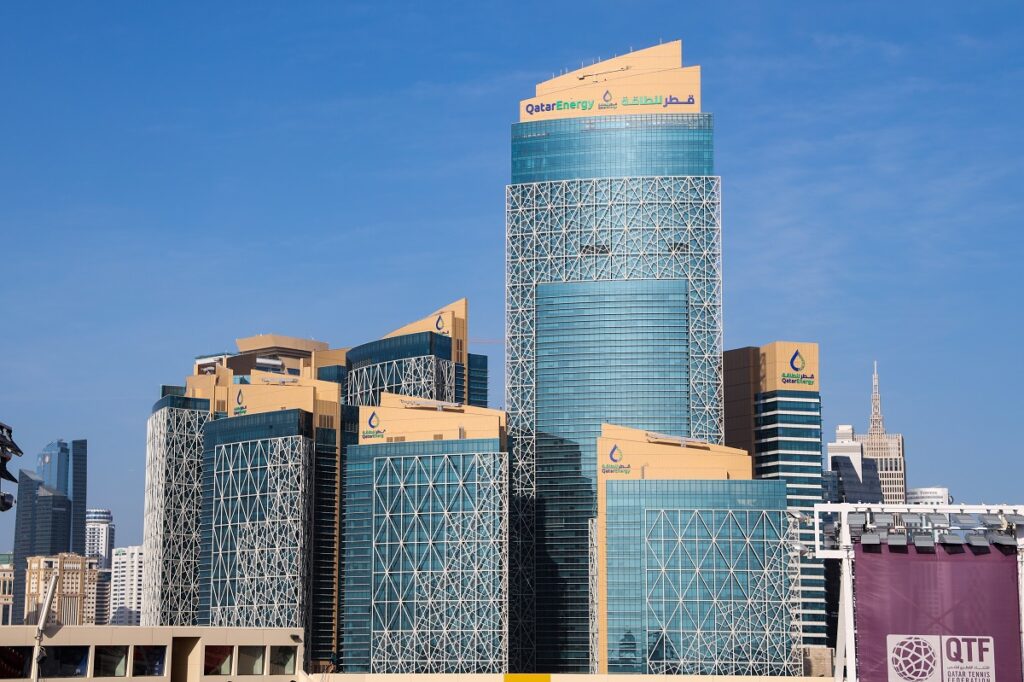
Following military attacks on QatarEnergy facilities, LNG production has been halted and Force Majeure declared, highlighting vulnerabilities in regional and global energy security. The disruption underscores risks to supply chains, market stability, and the critical need for infrastructure protection, crisis management, and diversified sourcing strategies.
Introduction
QatarEnergy, the world’s largest liquefied natural gas (LNG) producer, announced a complete halt to production at its facilities following military attacks, declaring “Force Majeure” to its clients. This development exposes a critical vulnerability, affecting not only Qatar’s energy sector but also the Gulf region and global energy markets. The Ras Laffan and Mesaieed Industrial Cities’ production facilities, targeted due to their strategic significance, underscore the direct threats to regional energy supply security. From an energy security perspective, this situation presents both short-term supply disruptions and long-term market uncertainties.
1. Regional Geopolitical Tensions and Threats to Energy Infrastructure
Following U.S. and Israeli military operations against Iran, Tehran retaliated by targeting strategic energy sites in Saudi Arabia, Kuwait, and Qatar using missiles and unmanned aerial vehicles (UAVs). The Iranian strikes, specifically aimed at refineries and LNG facilities, pose a serious risk to regional energy supply security. This scenario highlights two key insights: first, geopolitical conflicts can directly jeopardize critical energy infrastructure; second, regional attacks can disrupt international energy supply chains and impact global market stability.
2. QatarEnergy’s Production Suspension and Market Implications
In response to the attacks, QatarEnergy suspended LNG production at Ras Laffan and Mesaieed facilities and declared Force Majeure. The company also temporarily halted the production of related petrochemical and industrial products, including urea, polymers, methanol, and aluminum. This decision limits Qatar’s production flexibility and has potential ramifications for global energy and industrial markets, potentially causing supply shortages and price volatility.
The production suspension also risks disrupting the broader supply chain. As a strategic LNG exporter, Qatar’s reduced output forces importing countries to seek alternative sources. Over the long term, this emphasizes the importance of supply diversification and proactive stock management strategies.
3.Global Energy Security and Strategic Implications
The halt in QatarEnergy’s production introduces significant uncertainty in global energy markets regarding supply security and price stability. LNG, particularly vital for Asian and European markets, faces potential shortfalls that could lead to increased spot prices, delays in contractual deliveries, and planning disruptions for importing nations. This scenario underscores several critical lessons for energy security:
- Infrastructure Protection: Critical energy facilities require enhanced defense against military and cyber threats.
- Supply Chain Resilience: Alternative supply routes and contingency stock strategies must be pre-planned.
- International Cooperation: Energy security necessitates coordinated regional and global cooperation.
This situation demonstrates that safeguarding energy infrastructure and strengthening crisis management plans must be addressed in an integrated manner at both national and international levels.
Conclusion
The military attacks in Qatar and QatarEnergy’s production halt serve as a critical warning regarding energy security. Regional conflicts can directly impact energy supply and price stability. Ensuring the security of LNG and other strategic energy commodities is essential for the sustainability of both regional and global energy markets. Protecting energy infrastructure, reinforcing crisis management plans, and developing alternative supply sources are now fundamental priorities in contemporary global energy security policies.