Việtnam Unveils Ambitious Tourism Master Plan to Drive High-Value Growth by 2045
Hanoi, The Gulf Observer: Việtnam has announced a comprehensive transformation strategy for its tourism sector, shifting its focus from increasing visitor numbers to delivering higher value growth, under a revised Tourism System Master Plan for 2021–2030 with a vision to 2045.
The plan, recently approved by the Ministry of Culture, Sports and Tourism, outlines a roadmap to modernise the industry, enhance service quality, and strengthen tourism’s contribution to the national economy. Authorities aim to position tourism as a spearhead economic sector, playing a central role in Việt Nam’s economic structure.
Under the new strategy, the sector will prioritise professionalism, efficiency, and value addition, moving beyond traditional growth models centered on visitor volume. The initiative seeks to increase tourism’s share in gross domestic product (GDP) while generating broader economic benefits across related industries.
The master plan emphasises balanced development between international and domestic tourism. While international arrivals remain a key driver, the government also aims to harness the significant and stable potential of domestic travel demand.
A major focus of the plan is enhancing linkages between tourism and other economic sectors, alongside strengthening regional and inter-regional connectivity. This includes the development of tourism corridors aligned with domestic and international economic routes, facilitating seamless travel and boosting cross-border tourism.
Sustainability remains a cornerstone of the strategy, with tourism development aligned to green growth and circular economy principles. Environmental protection, climate resilience, and social stability are identified as essential components of long-term sectoral growth.
By 2030, Việt Nam aims to attract between 45 and 50 million international visitors, alongside approximately 160 million domestic tourists. The sector is projected to contribute around 14 percent to GDP and generate up to 12 million jobs, including four million direct employment opportunities.
Infrastructure expansion is also a key priority, with plans to increase accommodation capacity to approximately 2.5 million rooms nationwide. In a significant environmental move, all coastal tourism destinations and service providers are expected to eliminate single-use plastics and non-biodegradable materials by 2030, transitioning towards circular economy practices.
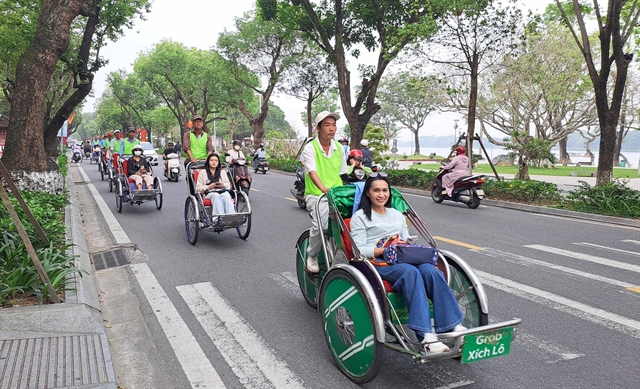
Geographically, tourism development will be anchored around major urban centres such as Hà Nội, Ho Chi Minh City, Đà Nẵng, Hải Phòng, and Cần Thơ, as well as prominent tourism destinations including Hội An, Huế, Sa Pa, Hạ Long, Nha Trang, Đà Lạt, Phan Thiết, and Phú Quốc. These hubs will focus on high-quality tourism offerings, cultural industries, and the expansion of the night-time economy.
The plan also identifies key tourism growth poles, with Đà Nẵng designated as the central region’s growth hub, while Ho Chi Minh City will lead tourism development in the southern region, including the Mekong Delta.
Seven national tourism growth regions are envisaged, with five priority regions targeted for development by 2030. Additional regions in the northern midlands, mountainous areas, and the northwest are expected to be integrated in the post-2030 phase.
Investment in the tourism sector will be largely driven by the private sector, while the government will focus on enabling areas such as digital transformation, promotion, workforce development, and environmental safeguards.
To support the sector’s growth, authorities also plan to refine legal frameworks, including amendments to tourism, land, and investment laws. Measures such as streamlined immigration procedures, expanded visa exemptions, and special policies for the night-time economy are expected to enhance Việt Nam’s global tourism competitiveness.
The ambitious master plan signals Việt Nam’s commitment to building a sustainable, high-quality tourism industry that not only drives economic growth but also reinforces its position as a leading destination in the region.