Dutch Parliament Approves Extradition Treaty with Morocco
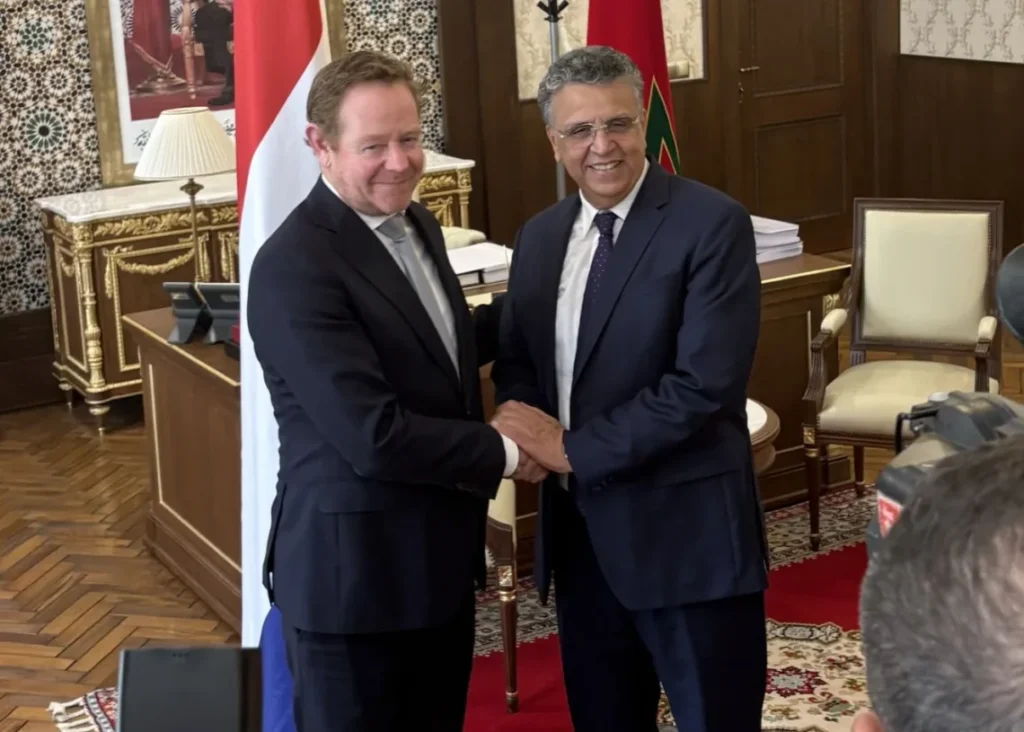
Marrakech, The Gulf Observer: The lower house of the Dutch Parliament, the House of Representatives of the Netherlands, has overwhelmingly approved an extradition treaty with Morocco, marking a significant step toward enhanced judicial cooperation between the two countries in combating organized crime and cross-border criminal activities.
The treaty, signed in Rabat in December 2023, received broad parliamentary support, with only the Party for the Animals and Denk voting against it. Morocco’s parliament has already ratified the agreement, while the Dutch Senate, the Senate of the Netherlands, is expected to consider it in the coming months.
Under the treaty, both countries will be able to request the extradition of suspects and convicted criminals accused of offenses punishable by at least one year in prison in both jurisdictions. Crimes covered include murder, manslaughter, violent offenses, and money laundering.
Dutch Justice Minister David van Weel welcomed the agreement, saying it would reduce opportunities for criminals to evade justice by seeking refuge abroad. He described the treaty as removing “a piece of the safe haven” used by criminal networks and emphasized the Netherlands’ broader efforts to strengthen international legal cooperation.
A key provision of the treaty concerns Moroccan citizens and dual nationals, whom Morocco generally does not extradite. However, Van Weel noted that the agreement obliges Moroccan authorities to prosecute such individuals domestically if extradition is denied. He said the provision would still have a strong deterrent effect against criminal activity.
Members of the Dutch Parliament highlighted the treaty’s potential impact on investigations linked to organized crime networks. VVD lawmaker Ulysse Ellian said the agreement could prove particularly valuable in pursuing suspects associated with convicted drug trafficker Ridouan Taghi, who is serving a life sentence in the Netherlands for orchestrating a series of underworld killings.
Dutch prosecutor Ferry van Veghel confirmed that several criminal organizations under investigation have suspects residing in Morocco, adding that the treaty’s value extends beyond extradition by strengthening overall judicial cooperation between the two countries.
The agreement reflects years of growing collaboration between Rabat and The Hague in combating organized crime. Bilateral security cooperation intensified following the 2017 killing of a Moroccan judge’s son in Marrakech in a mistaken-identity attack allegedly linked to criminal networks associated with Taghi. Since 2021, Morocco and the Netherlands have restored and expanded cooperation through police coordination and the deployment of a permanent Dutch public prosecutor at the Netherlands’ embassy in Rabat.
At the same time, the Dutch Parliament adopted a motion requiring authorities to refuse extradition requests where there are indications of politically motivated prosecution. Minister Van Weel affirmed that human rights considerations will remain a key factor in assessing all extradition requests under the treaty.
The new agreement is expected to further strengthen legal and law-enforcement cooperation between Morocco and the Netherlands while enhancing efforts to tackle transnational crime and ensure greater accountability for criminal suspects operating across borders.