Budget and Economy: Two Different Stories in Pakistan
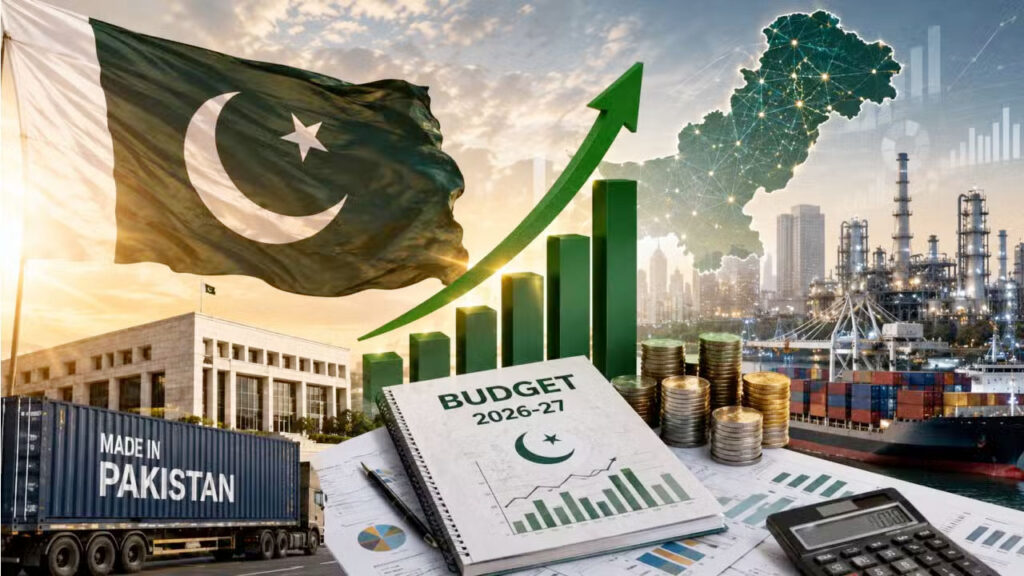

Every June, the country is told that a new budget will improve economic conditions. Revenue targets are announced, expenditure figures are presented and growth projections appear in headlines. Yet for many households, the experience is strangely familiar. Electricity bills rise, transport becomes more expensive, food prices continue their upward movement and wages struggle to keep pace. The official budget speaks of stability; the household budget tells another story.
This gap between official claims and everyday experience deserves attention. A budget is often presented as if it were the economy itself. It is not. The economy is created in fields, factories, workshops, offices, markets and homes. It is built by labour, production and exchange. The budget comes later. It determines who will carry the burden of financing the state and who will benefit from public spending.
For decades Pakistan has faced a curious situation. Economic growth has appeared in government reports, yet large sections of the population continue to live with insecurity. During years when GDP expanded, public hospitals remained overcrowded, millions of children stayed outside the education system and young graduates entered a labour market unable to absorb them. Growth occurred, but its social outcomes remained uneven.
The explanation cannot be found in economics alone. It lies in the relationship between wealth and power.
A farmer in southern Punjab, a factory worker in Faisalabad and a schoolteacher in Rawalpindi experience economic policy differently from those who control large assets, major businesses or financial institutions. Their influence over policy is also different. Budgets emerge from these unequal relationships.
The annual finance bill is commonly described as a technical exercise. In reality it is one of the most political documents produced by the state. Every tax, exemption, subsidy and allocation reflects a decision about whose interests matter most.
Consider taxation. Pakistan continues to rely heavily upon indirect taxes. The person purchasing flour, cooking oil, soap or fuel contributes to government revenue every day.
Whether rich or poor, everyone pays. Yet the burden is not equal. A wealthy household spends only a small share of its income on essentials. A low-income household spends most of it. The same tax therefore produces very different consequences.
According to data from the Pakistan Bureau of Statistics, food and energy consume a substantial portion of expenditure among lower-income families. When inflation rises, these groups experience a far greater reduction in purchasing power. Economic adjustment is not shared equally across society.
Something similar appears on the expenditure side of the budget.
Debt servicing now consumes the largest share of federal expenditure. Education and health receive only a fraction of what is allocated to financial obligations. This is rarely presented as a political choice. It is discussed as a technical necessity. Yet every rupee directed towards one priority is a rupee unavailable for another.
The consequences are visible across the country. Public schools struggle with infrastructure deficits. Rural health centres operate with limited resources. Youth unemployment remains a persistent challenge despite repeated promises of economic revival.
None of this suggests that fiscal discipline is unimportant. States require revenue. Debts must be managed. Financial stability matters. The question is different: who pays for stability and who benefits from it?
The answer often lies hidden behind economic language. Terms such as reform, adjustment and stabilization appear neutral. In practice, they frequently involve the transfer of economic costs from powerful groups to less powerful groups. Increases in utility prices, reductions in subsidies and indirect taxation affect citizens immediately. Taxing concentrated wealth, speculative gains or privileged sectors is politically more difficult.
This is why debates on the budget cannot be separated from debates on power.
A society reveals its priorities through the distribution of public resources. If a country repeatedly underinvests in education, health and skills while protecting structures that concentrate wealth, the results should not surprise anyone. Inequality expands. Social mobility declines. Economic growth becomes disconnected from social development.
Pakistan’s challenge is not simply a shortage of resources. The country generates considerable wealth. The central issue concerns allocation. Who receives public investment? Which sectors enjoy incentives? Which groups carry the burden of adjustment? These are political questions before they become economic ones.
The annual budget should therefore be read not as a collection of numbers but as a map of power. It shows where resources originate, where they are directed and which interests shape the journey in between. Until this discussion enters public debate, budgets will continue to be celebrated in parliament while many citizens experience them as a period of renewed economic pressure.