Oman Intensifies Drive to Attract High-Value Industrial Investment Across Economic Zones
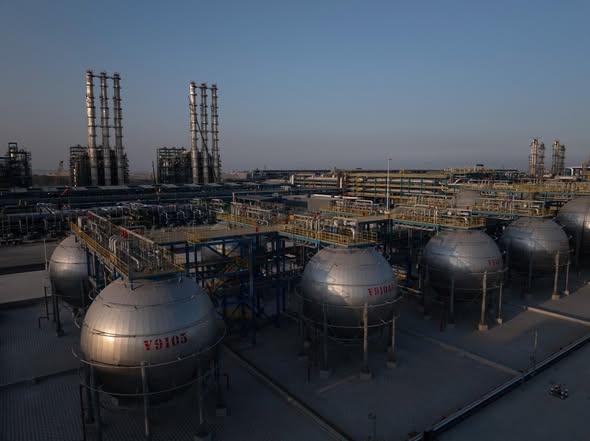
Muscat, The Gulf Observer: The Public Authority for Special Economic Zones and Free Zones (OPAZ) is stepping up efforts to position the Sultanate of Oman as a leading destination for high-value industrial investment by developing priority sectors across its special economic zones, free zones, and industrial cities.
According to Amna bint Nasser Al Sharji, Director of Investment Promotion at OPAZ, the authority is implementing a strategy aimed at creating specialized economic and industrial identities for each zone based on its unique competitive advantages and available resources. The initiative seeks to attract both domestic and international investment, expand the industrial sector’s contribution to the national economy, and create sustainable employment opportunities for Omani citizens.
Al Sharji explained that the Salalah Free Zone and Raysut Industrial City are focusing on attracting investments in medical, pharmaceutical, and food-security-related industries. Their strategic proximity to the Port of Salalah provides investors with efficient access to raw materials and export markets across regional and international destinations.
In the Special Economic Zone at Duqm, OPAZ is promoting future-oriented industries aligned with the global shift toward a green economy. Key focus areas include green hydrogen, green ammonia, renewable energy projects, and major heavy industries such as iron and petrochemicals. The authority is also working to strengthen industrial supply chains and enhance Duqm’s position as a regional center for sustainable manufacturing.
As part of its broader development plans, OPAZ is advancing fisheries and food-processing industries in Duqm by capitalizing on the region’s abundant marine resources and modern logistics infrastructure. Plans include the establishment of an integrated cold-chain economic cluster designed to improve storage and distribution capabilities for temperature-sensitive products, thereby increasing value creation within the fisheries and food sectors.
Meanwhile, the Sohar Free Zone is prioritizing the development of the polysilicon industry and renewable energy-related manufacturing, with efforts focused on building integrated value chains that extend from raw materials to advanced industrial production. At the same time, Sohar Industrial City is concentrating on plastics manufacturing and downstream aluminium industries, supported by advanced infrastructure and established industrial ecosystems.
Al Sharji also highlighted the growing importance of Khazaen Economic City, where pharmaceutical manufacturing projects and a rapidly expanding food-industries cluster are taking shape. These developments are supported by substantial investments in infrastructure and logistics facilities, including the Central Salalah Market for fruits and vegetables, which aims to strengthen food security and create new opportunities in food-related manufacturing.
She emphasized that industrial development remains a central pillar of Oman’s investment strategy, supported by modern infrastructure, integrated logistics services, and competitive incentives. The strategic location of the Sultanate’s economic zones near major ports, airports, and international markets further enhances their attractiveness to investors.
According to Al Sharji, sectors such as pharmaceuticals, green hydrogen, renewable energy, green minerals, food processing, fisheries, and petrochemicals are becoming increasingly significant globally due to their role in supporting sustainable development, food and health security, and the transition to a low-carbon economy. The continued expansion of these industries is expected to attract long-term investments, boost exports, and strengthen the industrial sector’s contribution to Oman’s economic diversification goals.
She added that infrastructure and service development across Oman’s special economic zones, free zones, and industrial cities is being carried out under a comprehensive strategic framework tailored to the specific priorities of each zone. The approach aims to foster a competitive business environment that encourages industrial integration, technology transfer, local supply chain development, and sustainable long-term growth.
Through these targeted initiatives, Oman continues to reinforce its position as a regional industrial and logistics hub while advancing its broader vision for economic diversification and sustainable development.