Plastic Waste and the Hidden Power of Microbes: Nature’s Solution to a Global Crisis
Every year, millions of tons of plastic waste enter our environment, contaminating land, rivers, and oceans. Plastic products have become an essential part of modern life because they are inexpensive, lightweight, and durable. However, the same durability that makes plastics useful also makes them one of the world’s most persistent pollutants. A plastic bottle can remain in the environment for hundreds of years before it completely breaks down. As plastic waste continues to accumulate, scientists are searching for sustainable solutions that can reduce its impact on ecosystems and human health.
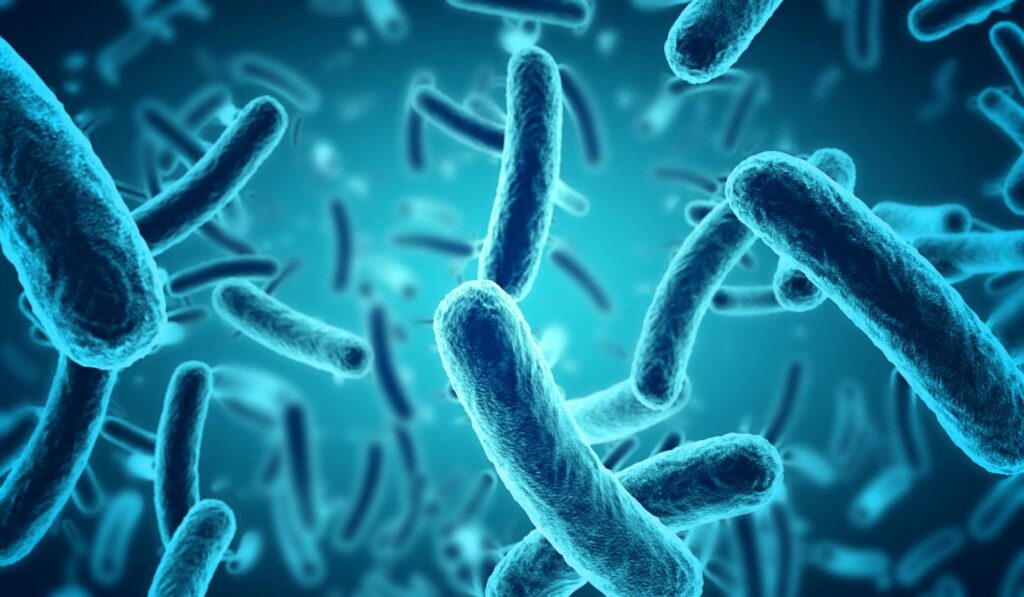
One of the most promising solutions comes from an unexpected source: microorganisms. Tiny bacteria and fungi, invisible to the naked eye, are demonstrating a remarkable ability to degrade certain types of plastic. These microbes may hold the key to transforming how the world manages plastic waste.
Understanding the Plastic Waste Problem
Global plastic production has increased dramatically over the last few decades. Plastic is used in packaging, agriculture, construction, transportation, healthcare, and countless household products. Unfortunately, only a small fraction of plastic waste is effectively recycled. Large quantities end up in landfills or are discarded into natural environments.
As plastics break into smaller fragments, they form microplastics that contaminate soil, water, food chains, and even the air we breathe. Researchers have detected microplastics in oceans, drinking water, and human tissues, raising concerns about long-term environmental and health consequences. Traditional disposal methods such as landfilling and incineration present additional challenges. Landfills require large areas of land and can contaminate groundwater, while incineration releases greenhouse gases and other pollutants. These limitations have encouraged scientists to explore biological alternatives.
How Microbes Degrade Plastic
Microbial degradation is a natural process in which microorganisms use complex substances as sources of energy and nutrients. Certain bacteria and fungi can attach themselves to plastic surfaces and gradually break down the long polymer chains that make plastics resistant to degradation.
The process generally occurs in four stages:
1. Biodeterioration
Microorganisms colonize the plastic surface and form biofilms. Environmental factors such as sunlight, heat, and moisture help weaken the material.
2. Bio-fragmentation
Microbes release enzymes that break large plastic polymers into smaller fragments and molecules.
3. Assimilation
These smaller compounds are absorbed by microbial cells and used as sources of carbon and energy.
4. Mineralization
The final products are converted into carbon dioxide, water, biomass, and other simple compounds.
This natural mechanism offers a cleaner and more sustainable alternative to conventional disposal methods.
The Role of Bacteria in Plastic Disposal
Several bacterial species have attracted worldwide attention for their ability to degrade plastics.
One of the most famous examples is Ideonella sakaiensis, discovered in Japan. This bacterium produces specialized enzymes known as PETase and MHETase, which can break down polyethylene terephthalate (PET), the plastic commonly used in beverage bottles.
Other bacterial groups, including Pseudomonas, Bacillus, and Rhodococcus, have demonstrated the ability to degrade various synthetic polymers. These microorganisms produce enzymes that attack chemical bonds within plastics, gradually reducing them into smaller compounds.
Scientists are now investigating ways to improve these bacteria through biotechnology and genetic engineering to increase degradation efficiency and enable large-scale applications.
Fungi: Another Powerful Ally
Fungi also play a significant role in plastic biodegradation. Species such as Aspergillus, Penicillium, and Phanerochaete chrysosporium produce powerful enzymes capable of attacking complex polymer structures. Unlike many bacteria, fungal hyphae can physically penetrate plastic surfaces, increasing contact between enzymes and polymers. This characteristic makes fungi valuable partners in the biological treatment of plastic waste.
Recent research has demonstrated that naturally occurring microorganisms possess significant potential for plastic biodegradation. A study published in Polymer Degradation and Stability identified bacterial strains belonging to the genera Gordonia and Arthrobacter from non-polluted environments such as peat bogs and compost. These bacteria were able to degrade polypropylene and polystyrene without chemical pretreatment, achieving degradation rates of approximately 23% and 19.5%, respectively, within 28 days. These findings suggest that efficient plastic-degrading microorganisms may exist in a wide range of natural ecosystems and not only in plastic-contaminated environments.
Similarly, researchers have reported that waxworms (Galleria mellonella) can consume polyethylene-based plastic bags. Scientists believe that microorganisms present in the digestive system of these insects contribute to the breakdown of plastic polymers. Such discoveries provide promising evidence that biological systems may play an important role in future plastic waste management strategies.
Challenges Facing Microbial Plastic Degradation
Despite encouraging progress, microbial degradation is not yet a complete solution. Many plastics remain highly resistant to biological breakdown, and degradation rates can be slow under natural conditions.
Scientists face several challenges:
- Different plastics require different microbial species and enzymes.
- Environmental conditions influence degradation efficiency.
- Large-scale industrial applications remain under development.
- Mixed plastic waste streams complicate treatment processes.
- Continued research is essential to overcome these limitations.
Looking Toward the Future
Advances in biotechnology, synthetic biology, and environmental microbiology are opening new possibilities for plastic waste management. Researchers are engineering enzymes with enhanced degradation capabilities and developing microbial communities that can work together to break down multiple plastic types.
Future waste treatment facilities may incorporate biological systems capable of converting plastic waste into useful products such as biofuels, industrial chemicals, and biodegradable materials. Such innovations could help transform plastic pollution from an environmental burden into a valuable resource.
Conclusion
Plastic pollution represents one of the most significant environmental challenges of our time. While conventional disposal methods remain limited, microorganisms offer a promising and environmentally friendly alternative. Through their natural ability to degrade plastic polymers, bacteria and fungi are providing new hope in the global effort to reduce plastic waste. Continued investment in scientific research and biotechnology may enable these tiny organisms to play a major role in building a cleaner and more sustainable future.
As a researcher in biological sciences, I believe microbial biodegradation offers a promising complement to conventional plastic waste management strategies, particularly in developing countries facing growing environmental challenges.
These findings indicate that nature may already possess solutions to one of humanity’s largest environmental challenges. Continued research into plastic-degrading microorganisms could lead to environmentally friendly technologies for managing plastic waste.