Uzbekistan Unveils Comprehensive Reforms to Strengthen Cancer, Hematology and Palliative Care Services
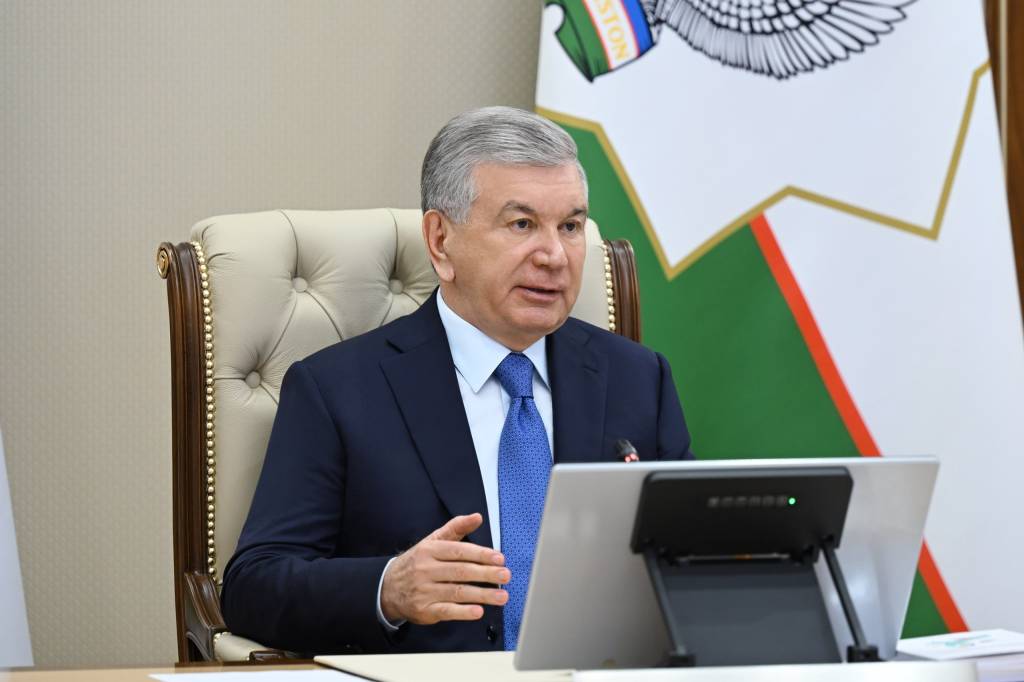
Tashkent, The Gulf Observer: President Shavkat Mirziyoyev has reviewed a comprehensive package of proposals aimed at modernizing Uzbekistan’s oncological, hematological, and palliative care systems, while also considering new financial support measures for public healthcare and pharmaceutical workers.
The presentation outlined a series of reforms designed to strengthen the country’s healthcare system through improved prevention, early diagnosis, and treatment of cancer and blood-related diseases, alongside expanded access to palliative and hospice care services.
As part of the proposed reforms, Uzbekistan plans to increase screening coverage for the most common forms of cancer to 60 percent of the target population and raise the five-year survival rate of cancer patients from the current 35 percent to at least 45 percent. To achieve these objectives, the National Cancer Control Programme, developed in cooperation with the World Health Organization and international experts, will be gradually implemented across the country beginning in 2027.
The program will focus on enhancing the capacity of primary healthcare providers through specialized training to identify early signs of cancer and ensure timely referrals to specialized medical institutions. Internationally recognized clinical guidelines will also be introduced, while a multidisciplinary approach to oncology care will enable teams of specialists to jointly determine diagnoses and treatment strategies for patients.
The reforms further include the introduction of nationwide programs for the early detection of the most prevalent cancers and the establishment of fast-track diagnostic pathways to reduce waiting times for examinations and diagnoses. Significant investments are planned for radiotherapy services, including the gradual replacement of outdated cobalt machines with advanced linear accelerators and the expansion of high-dose-rate brachytherapy technologies.
A major focus of the presentation was the development of palliative and hospice care services. By 2030, the government aims to extend access to palliative care to at least 80 percent of the population.
Beginning September 1, 2026, Uzbekistan will introduce a unified palliative and hospice care system integrating medical and social services through a centralized electronic information platform. The system will facilitate patient identification, referrals, registration, and care coordination.
To improve accessibility, mobile palliative care teams will be established to provide medical and social services directly in patients’ homes. Inpatient palliative services will be offered through both public and private healthcare institutions, including hospices. Hospice facilities are planned for gradual establishment across all regions based on population needs, with the Tashkent Interregional Hospice designated as the leading institution for coordinating nationwide palliative care efforts.
Pilot initiatives will include the creation of mobile palliative care teams in Tashkent’s Mirzo Ulugbek district to support cancer patients and the establishment of a hospice-based pediatric palliative care center in the Samarkand region for children suffering from severe and incurable illnesses.
The proposed system also introduces measures to simplify support for patients requiring long-term care. Individuals registered in the electronic platform as needing palliative and hospice services will automatically receive disability status upon approval by medical and social expert commissions, eliminating the need for repeated medical assessments. Eligible patients requiring home care will receive adjustable beds and specialized mattresses through a voucher-based support mechanism.
Additional plans include expanding home-based nursing and palliative services at the mahalla level and launching a Family Support service to assist relatives caring for seriously ill family members.
The presentation also addressed reforms in hematology and oncohematology. Between 2026 and 2030, the government aims to increase early detection rates for hematological diseases from the current 30–40 percent to 60 percent while reducing the average time from diagnosis to transplantation from six months to three months.
Authorities also intend to provide comprehensive specialized care for all patients with hematological disorders and expand access to hematopoietic stem cell transplantation services in regional medical institutions.
Alongside healthcare reforms, the presentation proposed new financial assistance measures for employees in the public healthcare sector. Under the initiative, medical and pharmaceutical workers with at least 15 years of service could receive partial reimbursement of their children’s annual university tuition fees as well as support covering part of the down payment required for home mortgages.
President Mirziyoyev approved the proposed measures and instructed relevant authorities to ensure their effective implementation. He emphasized the importance of expanding access to modern cancer and blood disorder care throughout the country, strengthening regional healthcare services, and introducing advanced diagnostic and treatment technologies to improve patient outcomes.
The reforms form part of Uzbekistan’s broader strategy to enhance public health services, strengthen social protection mechanisms, and ensure that citizens have access to high-quality, modern medical care regardless of their place of residence.