Indonesia Cuts Non-Productive Spending to Boost Fiscal Efficiency, Says President Prabowo
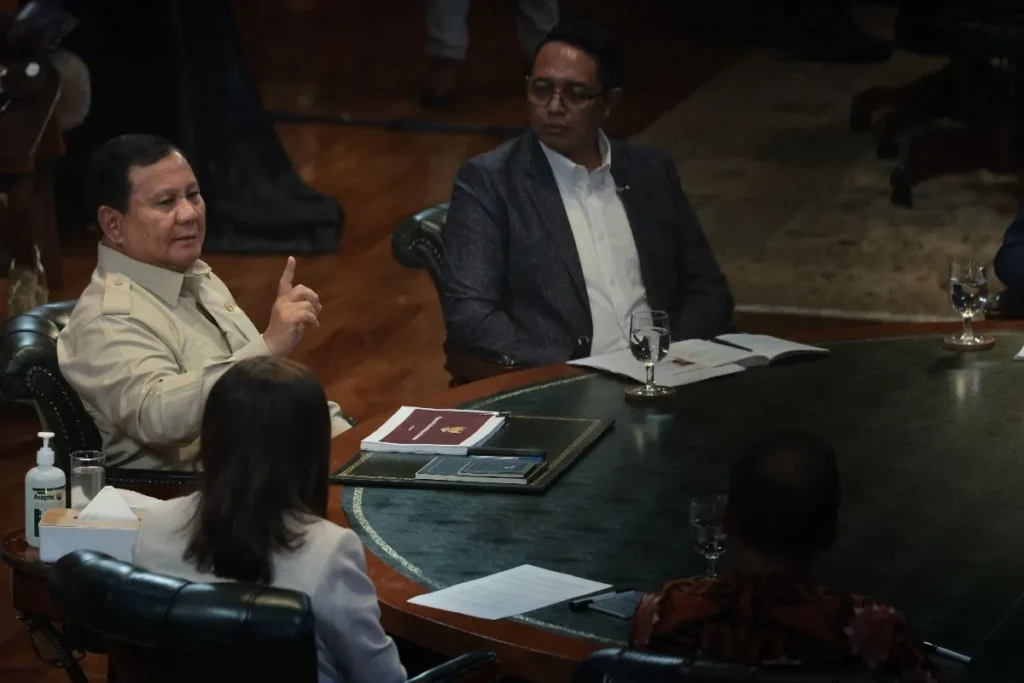
Jakarta, The Gulf Observer: President Prabowo Subianto has announced sweeping measures to eliminate non-productive government spending, aiming to enhance fiscal efficiency and curb potential misuse of state funds across ministries and agencies.
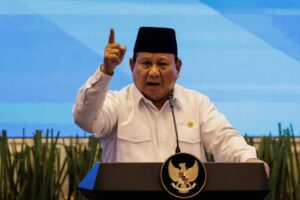
In a video statement released by the Presidential Secretariat on Thursday, Prabowo revealed that the government has already saved Rp308 trillion through an initial review of central expenditures. He noted that the savings were achieved by identifying and cutting unnecessary and inefficient spending.
“When we first carried out efficiency measures, we saved Rp308 trillion from the central government. Where did it come from? From expenditures that did not make sense,” the president said, warning that unchecked spending could have led to corruption and placed an undue burden on public finances.
Prabowo emphasized that the cuts target non-essential expenditures, including ceremonial events, office supplies, and off-site meetings and seminars, which he said often fail to contribute meaningfully to poverty alleviation or job creation. The government is also reassessing routine procurement practices, particularly the repeated annual purchase of office equipment such as computers.
Highlighting structural inefficiencies, the president pointed to Indonesia’s high Incremental Capital Output Ratio (ICOR), currently at 6.5—significantly above regional averages. He said this reflects inefficiencies of around 30 percent, equivalent to approximately US$75 billion from a national budget nearing Rp3,700 trillion.
To further streamline operations, the government is exploring new work arrangements, including shorter workweeks and expanded remote working options. Prabowo cited examples from countries such as the Philippines and Pakistan, where reduced workweeks and flexible work models have been implemented.
Recalling Indonesia’s experience during the COVID-19 pandemic, he suggested that up to 75 percent of government employees could potentially work from home, contributing to lower operational costs and improved efficiency.
The president underscored that tighter controls on public spending remain essential to ensuring that state resources are used effectively to deliver tangible benefits for the population and support long-term economic growth.