Morocco and Spain Finalize Preparations for Operation Marhaba 2026
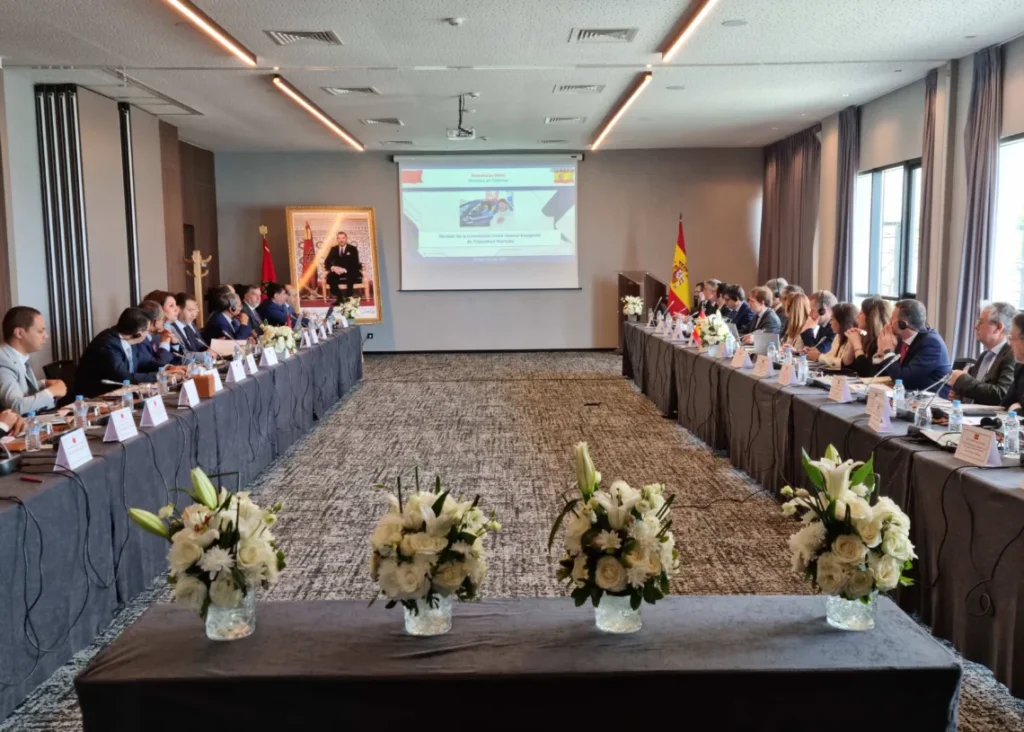
Tangier, The Gulf Observer: High-level officials from Morocco and Spain concluded the 37th Joint Moroccan-Spanish Transit Commission on Wednesday, finalizing the operational framework for Operation Marhaba 2026. Known in Spain as Operación Paso del Estrecho (OPE), this annual summer initiative is the largest seasonal transit operation in Europe and one of the most significant globally.
Scheduled to run from June 15 to September 15, the 2026 operation is projected to reach new historic highs. Authorities anticipate managing the movement of more than 3.5 million passengers and 800,000 vehicles between Europe and North Africa, representing a 3% increase over the previous year.
Strategic Workforce and Infrastructure Investment
To manage the record-breaking volumes, both nations have committed substantial resources to ensure secure and fluid transit:
- Morocco: Under the coordination of the Mohammed V Foundation for Solidarity, the Moroccan government has invested several million dirhams into upgrading port and airport infrastructure. Additionally, Moroccan consulates across Spain will remain open daily, including weekends and holidays, to support the diaspora.
- Spain: The Spanish state will deploy a workforce of over 31,500 professionals—a nearly 10% increase from last year. This team includes security forces, health workers, social workers, and translators from more than 20 different agencies.
Technological Innovations and Logistics
The 2026 season marks the debut of a new digital management system. For the first time, authorities will utilize integrated real-time data covering traffic flows, port operations, and weather conditions. This innovation is designed to allow teams to anticipate saturation and optimize passenger management at major transit points.
The core logistical structure remains the Fleet Plan, which dictates the vessel rotations and maritime routes across the Strait of Gibraltar, supported by a national traffic safety plan and the Spanish Red Cross.
A Model of Bilateral Coordination
The meeting was co-chaired by Khalid Zerouali, Morocco’s Director of Migration and Border Surveillance, and Virginia Barcones Sanz, Spain’s Secretary General of Civil Protection and Emergencies. Both leaders emphasized that the success of the mission rests on communication.
“Bilateral coordination is the backbone of the entire operation,” stated Barcones. “We have to be prepared to respond to any circumstance that may arise, and that is why coordination between the two countries… is fundamental.”
To further ease congestion, authorities are strongly encouraging travelers to purchase fixed-date tickets in advance, a measure aimed at reducing wait times and preventing bottlenecks during peak travel periods. As the operation enters its 40th year since its inception in 1986, the continued collaboration between Morocco and Spain remains essential in managing one of the world’s most demanding border transit systems.