Sultan Qaboos University Reports Strong Progress on Oman Vision 2040 Targets
Muscat, The Gulf Observer: Sultan Qaboos University (SQU) has announced significant progress in implementing its strategic and operational plans aligned with Oman Vision 2040, achieving 13 performance indicators in 2025, with four others nearing their targets.
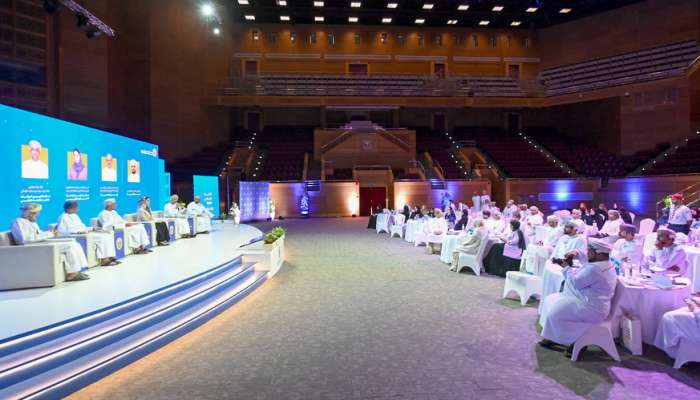
The announcement was made during the university’s annual media briefing, where key achievements, performance metrics, and future plans were reviewed in line with SQU’s ambition to become a globally distinguished institution.
SQU Vice Chancellor, Sayyid Dr. Fahd bin Al Julanda Al Said, highlighted that the university’s accomplishments reflect sustained royal support from Sultan Haitham bin Tarik, particularly in advancing education, scientific research, and innovation.
He noted that SQU improved its global standing, ranking 334th worldwide and eighth in the Arab region in the QS World University Rankings, underscoring its growing international reputation. The university has also expanded international accreditation for its academic programmes, enhancing quality and alignment with global standards.
According to the Vice Chancellor, SQU’s 2025 performance dashboard included 18 indicators, with 13 fully achieved, four close to completion, and one yet to be met. Graduate employability satisfaction reached 85 percent, while 70 percent of undergraduate programmes are now internationally accredited.
In research output, the university published 1,851 papers in peer-reviewed journals during 2025 and approximately 3,390 papers across 2024–2025, alongside 488 conference presentations. SQU also generated over OMR 4.5 million in revenue, with the private sector contributing 20 percent to research funding.
Innovation and entrepreneurship efforts resulted in the establishment of seven start-ups and the registration of 14 patents, reflecting the university’s growing role in translating research into economic value.
Since its establishment, SQU has graduated 74,005 students, including over 66,000 undergraduates and nearly 7,500 postgraduates. For the 2025–2026 academic year, 3,133 students were admitted, including 80 students with disabilities, while postgraduate enrolment reached 957 students, including 113 international students.
The university currently offers 70 undergraduate specialisations and 123 postgraduate programmes, including doctoral and master’s degrees in emerging fields such as artificial intelligence, data science, digital business, and genetic counselling.
SQU has also expanded its global footprint, maintaining 83 active cooperation agreements and signing 51 partnerships during 2024–2025. Student exchange programmes saw participation from 478 students across countries including Germany, France, China, Japan, and Türkiye.
In support of national development, SQU delivered 36 research consultations to government entities and 101 consultations to the private sector, alongside implementing 22 strategic projects addressing key national challenges. Government research funding exceeded OMR 2.1 million, while private sector contributions reached nearly OMR 1.8 million.
The university also demonstrated strong community engagement, delivering 140 continuing education programmes benefiting over 12,000 participants, in addition to numerous training and awareness initiatives.
Sustainability efforts led to a 14.45 percent reduction in energy consumption, generating annual savings of approximately OMR 611,000. Meanwhile, digital transformation initiatives introduced advanced systems for student data, research management, and innovation tracking.
SQU continues to invest in infrastructure development, completing major projects in 2025, including advanced learning facilities, laboratories, and upgraded campus amenities, while ongoing and future projects include new academic buildings, student housing, and research centres.
Reaffirming the institution’s long-term vision, Sayyid Dr. Fahd stressed the importance of balancing labour market needs with academic sustainability, while preserving core disciplines such as history, Arabic language, and Islamic studies as essential pillars of national identity.
Separately, Assistant Vice-Chancellor for International Cooperation, Sayyeda Dr. Muna Fahd Al Said, emphasised the university’s expanding partnerships at local and global levels, including collaborations with industry and leading international universities, further strengthening SQU’s role in education, research, and sustainable development.
The university reiterated its commitment to enhancing its global standing through continued investment in human capital, innovation, and strategic partnerships, contributing to the broader goals of Oman Vision 2040.