Conference Highlights Role of Tajik Language in National Identity and Statehood
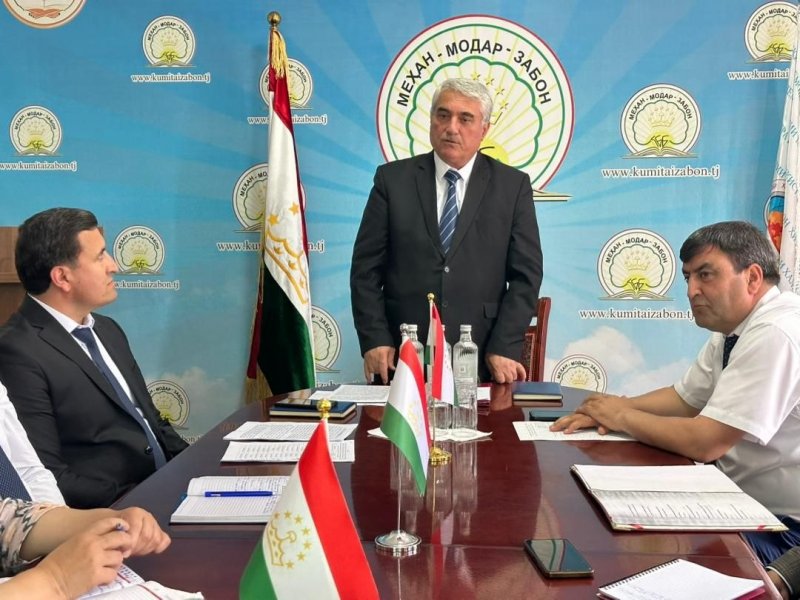
Dushanbe, The Gulf Observer: A conference titled “Language as a Symbol of National Identity and Self-Awareness” was held on Sunday at the Language and Terminology Committee under the Government of Tajikistan, underscoring the importance of the Tajik language in strengthening national identity and statehood.
According to the committee, Chairman Sakhidod Rahmatullozoda highlighted the position and significance of the Tajik language within the national governance system and the country’s socio-political development. He described the government’s language policy and ongoing measures to strengthen the state language as essential to preserving national values and identity.
Participants noted that, under the policies of the Government of Tajikistan, the protection, development and promotion of the state language have become a key pillar of statehood and national existence. The Tajik language was described not only as a means of communication but also as a vital instrument for safeguarding national values, history, culture and self-awareness.
Deputy Chairman of the Language and Terminology Committee Faiziddin Barotzoda said the Tajik language, enriched by centuries of historical experience and a vast lexical heritage, has evolved over thousands of years and today serves all spheres of public life. He emphasized that the country’s independence created the legal and political conditions necessary for the language’s development, enabling the government to implement practical measures aimed at strengthening its status.
Director of the National Translation Center Hamrokhon Dustzoda stated that several state language development programmes have been formulated and implemented during the independence period. Among them is the State Language Development Programme of the Republic of Tajikistan for 2020–2030, adopted on November 29, 2020, which outlines the language’s development strategy for the decade and supports the effective implementation of the Law on the State Language.
Speakers also stressed the importance of adhering to updated spelling standards in official documentation, government correspondence, academic publications and media content. They said these measures contribute to strengthening the literary language system, maintaining linguistic consistency and preventing orthographic discrepancies.
The implementation of the new rules in terminology development, the writing of names, compound words and grammatical structures was described as essential for improving overall literacy standards across society.
Participants further discussed the significance of the state language, compliance with language legislation, Tajik spelling norms and the culture of official document preparation. The conference concluded with a reaffirmation that the Tajik language, as a key element of national self-awareness, reflects the history, culture and identity of the Tajik nation.