Indonesia Seeks Strategic Nuclear Energy Partnership with Russia to Boost Energy Security
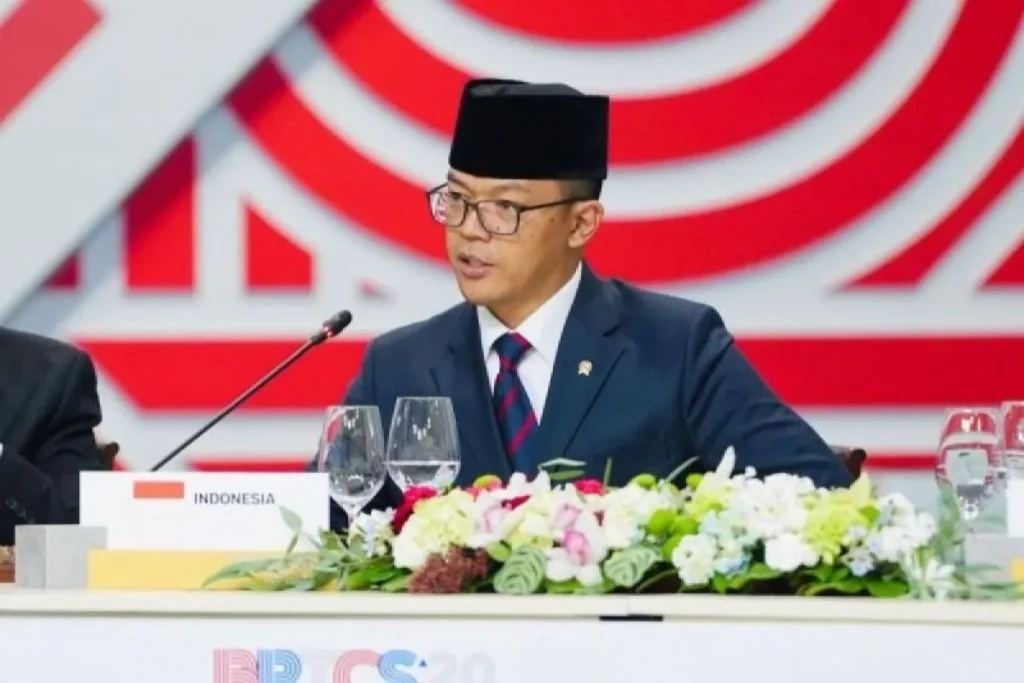
Kazan, The Gulf Observer: Indonesian Foreign Minister Sugiono has called for enhanced strategic cooperation with Russia in the field of nuclear energy technology as part of Indonesia’s efforts to achieve national energy self-sufficiency within the next three years.
Speaking at a summit commemorating the 35th anniversary of ASEAN-Russia relations in Kazan, Sugiono reaffirmed Indonesia’s commitment to exploring safe and sustainable alternative energy sources to accelerate the country’s transition toward renewable power.
He noted that Russia’s extensive expertise in nuclear energy provides a strong foundation for bilateral cooperation. However, Sugiono emphasized that any future agreement must include comprehensive technology transfer, human resource development, and strict adherence to the highest international safety standards.
Beyond bilateral cooperation, the Indonesian foreign minister urged ASEAN and Russia to strengthen their strategic partnership to address growing fragmentation in global supply chains. He stressed that stable food and energy supplies are essential for safeguarding Southeast Asia’s population of approximately 670 million people from external economic and geopolitical shocks.
Sugiono highlighted Russia’s role as a major global producer of energy, wheat, and fertilizer, describing the country as an important partner in ensuring predictable and reliable supply chains for ASEAN markets. He underscored the need to strengthen economic connectivity between ASEAN and the broader Eurasian region while promoting food security and affordable access to nutritious food for households across the region.
Addressing regional and international developments, Sugiono welcomed the adoption of the Kazan Declaration, noting its alignment with the ASEAN Outlook on the Indo-Pacific and its emphasis on ASEAN centrality. He also welcomed the signing of a Memorandum of Understanding on de-escalation between the United States and Iran, while expressing Indonesia’s continued concern over the humanitarian situation in Palestine.
“Indonesia stands ready to work with Russia and all ASEAN member states to ensure that our partnership contributes to greater resilience, prosperity, and lasting stability for our region,” he said.
In a related development, Indonesia confirmed plans to proceed with the phased import of 150 million barrels of Russian crude oil through the end of 2026. The initiative follows President Prabowo Subianto’s recent state visit to Russia and is aimed at strengthening Indonesia’s energy reserves amid global supply chain disruptions.
Meanwhile, Indonesia is also exploring cooperation with Russia’s state-owned nuclear energy corporation Rosatom to develop a fleet of floating nuclear power plants. Rosatom Director General Alexey Likhachev said discussions were launched after Indonesia expressed strong interest in utilizing nuclear technology to support its energy transition.
Likhachev revealed that a large Rosatom delegation recently visited Indonesia at the invitation of President Prabowo Subianto. Discussions focused on the potential deployment of floating nuclear reactors and the involvement of Indonesian businesses to facilitate technology localization and industrial development.
According to Rosatom, floating nuclear power plants could offer a practical and cost-effective energy solution for Indonesia’s vast archipelagic geography, enabling reliable power generation across thousands of islands without the need for extensive land-based infrastructure.
The proposed cooperation reflects Indonesia’s broader strategy to diversify its energy mix, strengthen energy security, and advance long-term sustainable development through international partnerships.