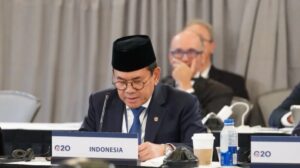
Indonesia Launches National Mangrove Rehabilitation Drive to Boost Coastal Resilience
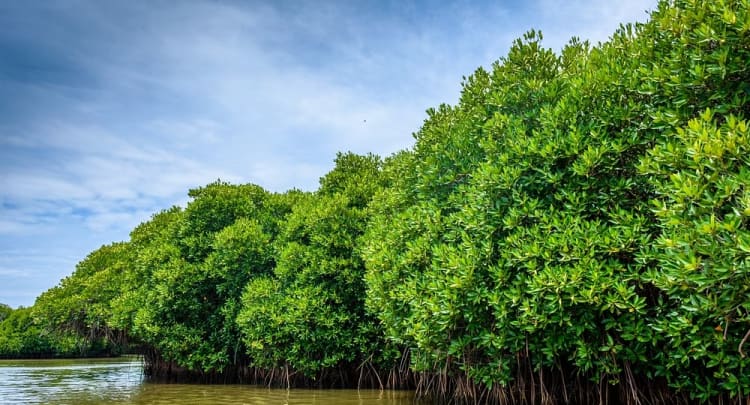
Sumbawa, The Gulf Observer: Indonesia’s Environment Minister Mohammad Jumhur Hidayat has launched a nationwide “ecological repentance” initiative centered on mangrove rehabilitation, describing it as a strategic effort to restore degraded ecosystems, strengthen coastal resilience, and promote environmentally sustainable development.
Speaking after a mangrove planting event in Sumbawa, West Nusa Tenggara, on Tuesday, the minister stressed that environmental responsibility must be shared by all sectors of society.
“Everyone needs to repent—not just the government and corporations, but also the community,” Jumhur said, underscoring the need for collective action in protecting the environment.
The initiative, covering the 2026–2028 period, places environmental carrying capacity at the core of Indonesia’s future development policies. The Environment Ministry emphasized that economic growth must no longer come at the expense of environmental sustainability, advocating a balanced approach that supports long-term, inclusive prosperity.
According to ministry data, approximately 700,000 hectares—around 30 percent—of Indonesia’s 3.4 million hectares of mangrove forests have been degraded due to land conversion and industrial activities, prompting the government to accelerate rehabilitation efforts across the archipelago.
Jumhur said restoring mangrove ecosystems would not only rehabilitate coastal environments but also make a significant contribution to global climate change mitigation.
“The carbon emission absorption capacity of mangroves can be around four to five times that of ordinary trees. Rehabilitation measures are essential to ensure mangrove sustainability,” he said.
The minister noted that healthy mangrove forests serve as natural green infrastructure, protecting coastlines from erosion, high waves, and seawater intrusion while providing vital breeding grounds for marine species that support the livelihoods of traditional fishing communities.
To ensure the success of the national strategy, the ministry is encouraging governments, businesses, and local communities to expand mangrove rehabilitation activities throughout Indonesia.
As an example of private-sector participation, Jumhur highlighted the commitment of mining company Freeport Indonesia, which has pledged to rehabilitate approximately 12,000 hectares of mangroves nationwide, including 10,000 hectares in Papua and a further 2,000 hectares along other coastal regions.
“The government welcomes any activity aimed at restoring the environment,” the minister said, reaffirming the administration’s commitment to strengthening ecosystem restoration through broad-based collaboration.