Uzbekistan Strengthens Anti-Drug Laws, Advances Road Safety Reforms
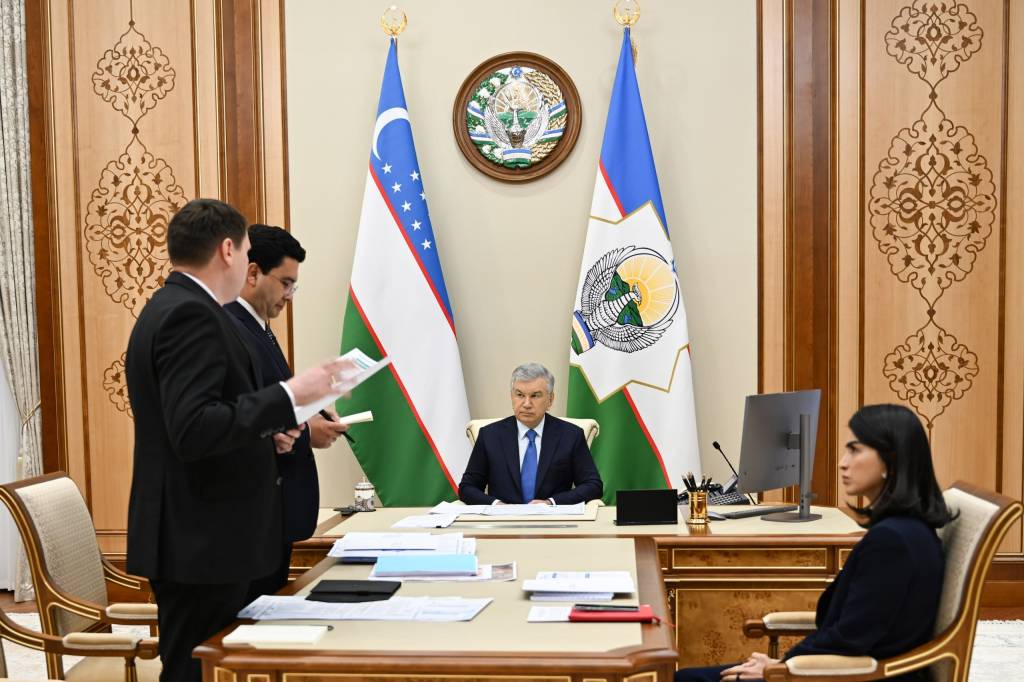
Tashkent, The Gulf Observer: President of Uzbekistan, Shavkat Mirziyoyev, reviewed a presentation on strengthening the country’s legislative framework to protect public health and the nation’s gene pool from the growing threat of drug addiction, while also enhancing road safety measures.
During the presentation, officials outlined the objectives and significance of a newly adopted law aimed at increasing accountability for the illegal trafficking of narcotic drugs, psychotropic substances, their analogs, and potent substances. The legislation was subsequently approved by parliament and signed into law by the President.
The law introduces a new chapter to Uzbekistan’s Criminal Code titled “Crimes against Public Health and the Gene Pool,” establishing tougher penalties for acts that endanger public health, particularly among young people.
Recognizing the evolving nature of drug-related crime, the legislation creates separate criminal liability for organizing illegal drug laboratories, facilitating illicit drug trafficking, and operating drug dens. Penalties have also been strengthened for more than ten serious drug-related offenses.
President Mirziyoyev emphasized that the law would serve as an important legal instrument in combating drug crime, protecting public health, and safeguarding future generations.
The presentation also included a review of the draft law “On Narcotic Drugs and Potent Substances,” prepared by an interagency working group to address emerging challenges in the fight against drug abuse and trafficking.
Officials noted that Uzbekistan’s drug landscape has changed significantly in recent years, with synthetic drugs increasingly replacing traditional narcotics. The rise of contactless online distribution networks and the emergence of clandestine drug laboratories have created new challenges requiring comprehensive legal and institutional reforms.
The draft legislation identifies seven key priorities for state policy, including strengthening public resilience to drug addiction, particularly among women and youth, combating online drug-related crimes, and improving systems for prevention, diagnosis, treatment, and social rehabilitation of individuals affected by drug dependence.
The proposed law also clearly defines the responsibilities and powers of 14 government agencies involved in combating drug trafficking, addiction, and related crimes. To improve oversight, authorities plan to strengthen state control over the legal circulation of narcotic and psychotropic substances through continuous electronic monitoring of all stages, from importation to distribution and sale.
During the presentation, particular attention was also given to road safety concerns. Officials highlighted the growing problem of minors being allowed to operate vehicles, a practice that has contributed to fatal accidents and serious injuries.
The President stressed the importance of ensuring strict compliance with traffic regulations, adopting new approaches to accident prevention, and strengthening accountability for violations that result in severe consequences.
President Mirziyoyev approved a series of proposals aimed at improving coordination among government institutions in the fight against drug addiction and related crimes, bringing national policies in line with modern standards, reducing the spread of drug abuse among young people, and enhancing road safety across the country.
Relevant authorities were instructed to implement the approved measures and advance reforms designed to protect public health, strengthen law enforcement efforts, and improve safety on Uzbekistan’s roads.