Vietnam Textile Industry Races to Meet EU Digital Product Passport Requirements Ahead of 2028 Deadline
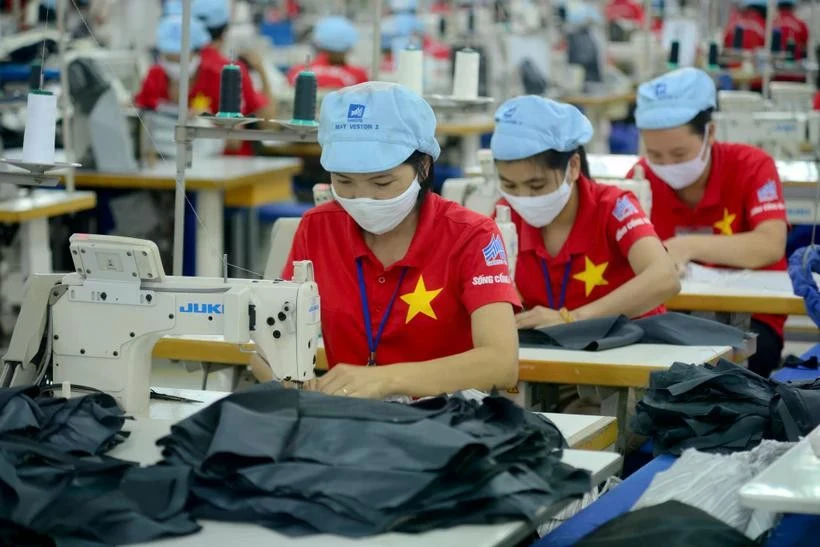
Hanoi: Việtnam’s textile and garment industry is facing mounting pressure to accelerate digital transformation efforts as the European Union prepares to implement the Digital Product Passport (DPP) requirement for apparel products entering the bloc from mid-2028.
The new regulation, which will require extensive product traceability and sustainability data, is expected to significantly reshape global textile supply chains and compel exporting nations to establish robust digital infrastructure to remain competitive in the European market.
Industry experts have warned that Vietnamese manufacturers are starting from a relatively low digitalization base, leaving limited time to prepare for the sweeping changes. Trần Công Chính, a circular textile policy expert at the University of Economics and Business under Việtnam National University, Hànội, described the challenge as enormous, noting that less than two years remain before compliance becomes mandatory.
Currently, Việt Nam’s textile sector lacks a comprehensive digital capability framework and common supply chain data standards. Many companies continue to operate fragmented systems, limiting interoperability and complicating efforts to meet emerging international transparency requirements.
The DPP framework goes beyond traditional compliance measures by requiring manufacturers to provide detailed information throughout a product’s lifecycle. Mandatory disclosures will include product specifications, manufacturing details, production locations, fibre composition, environmental impact indicators, carbon footprint, water consumption data, and recycling instructions.
According to Phạm Thị Ngọc Tuyền, General Director of Hohenstein Việt Nam Laboratory Co., Ltd., the regulation is expected to affect more than one trillion products across multiple industries by 2030, including approximately 62.5 billion textile and apparel items.
Growing consumer demand for sustainability is also driving the shift. Industry estimates indicate that around 60 percent of consumers now prioritize sustainability over price, while 40 percent actively seek verified information regarding product origins and manufacturing practices.
Manufacturers are already encountering implementation challenges due to fragmented data management systems. Nguyễn Thị Châu Xuân of Việt Hồng Denim said companies often rely on multiple platforms to manage supply chain information, forcing employees to manually input data and increasing the risk of inaccuracies.
Under the DPP system, all product information will be publicly accessible, making data accuracy critical. Any discrepancies could damage corporate credibility and potentially result in regulatory action by European authorities.
The financial implications of compliance are also significant. Investments in technologies aimed at reducing carbon emissions and water consumption—key DPP performance indicators—can range from hundreds of thousands to tens of millions of dollars, according to industry representatives.
To address these challenges, experts have recommended mapping existing data systems, developing integrated information technology infrastructure, strengthening chemical testing and compliance capabilities, and improving connectivity across multi-tier supply chains. Pilot projects for selected product lines have also been proposed as a way to gradually scale implementation and refine operational processes.
Industry stakeholders argue that businesses should view the Digital Product Passport not merely as a regulatory requirement but as a strategic opportunity. More sustainable product designs can reduce Extended Producer Responsibility (EPR) costs, enhancing competitiveness while supporting long-term sustainability goals.
As the 2028 deadline approaches, experts stress that Vietnamese manufacturers must begin building reliable and transparent data systems immediately to safeguard market access in the EU and transform sustainability requirements into a competitive advantage.
Meanwhile, the Vietnamese Government is introducing measures to strengthen the textile, footwear and leather goods sectors by increasing value-added production, expanding domestic sourcing and deepening participation in global supply chains.
Deputy Prime Minister Phạm Gia Túc noted that textile and garment exports reached nearly US$46.2 billion in 2025, a six percent increase from the previous year, enabling Việt Nam to maintain its position among the world’s three largest textile exporters. The industry currently employs more than 1.86 million workers and achieves an estimated value-added content of 52 percent in exported products.
The footwear sector also recorded strong performance, with exports approaching US$29 billion in 2025, up around five percent from 2024. Việt Nam remains the world’s third-largest footwear producer and second-largest exporter.
Despite these achievements, authorities expect 2026 to be a challenging year due to evolving US tariff policies, geopolitical tensions, trade disputes among major economies and increasingly stringent environmental, labour and sustainability standards.
The Government has emphasized the need for long-term strategies focused on moving beyond low-margin contract manufacturing, strengthening domestic supporting industries, reducing dependence on imported raw materials and developing internationally competitive Vietnamese brands.
Digital transformation, greater localization of production inputs and proactive compliance with global sustainability standards are expected to play a central role in enhancing the industry’s resilience, competitiveness and integration into the global fashion ecosystem.