Indonesia, UNICEF Strengthen Partnership to Advance Children’s Rights Under 2026–2030 Plan
Jakarta, The Gulf Observer: The Indonesian government has partnered with United Nations Children’s Fund (UNICEF) to accelerate the fulfillment of children’s rights across the country, marking a renewed commitment under the 2026–2030 Country Programme Action Plan (CPAP).
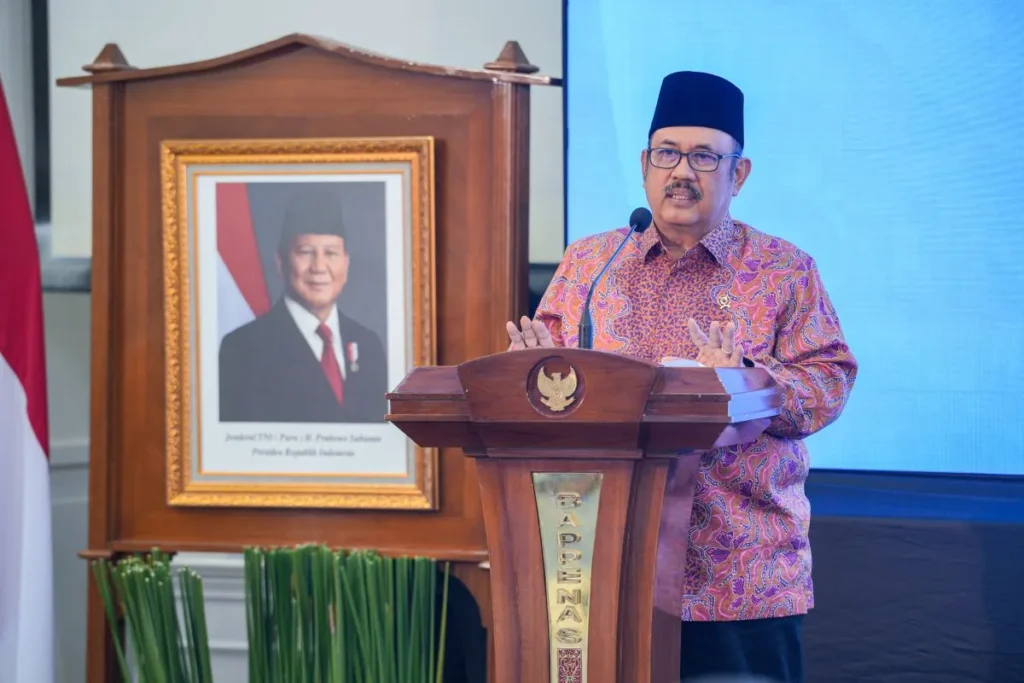
Minister of National Development Planning Rachmat Pambudy said the initiative is guided by the principle that no child should be left behind, ensuring that every Indonesian child can grow and develop optimally.
Speaking at the launch of the CPAP on Thursday (April 23), Pambudy highlighted that the longstanding partnership between Indonesia and UNICEF, which dates back to 1966, will continue to play a vital role in strengthening national systems and expanding access to essential services.
The total budget for the 2026–2030 cooperation period is projected to reach US$131 million, aimed at benefiting children through improved service delivery and enhanced institutional capacity.
The CPAP will focus on six priority areas: health, nutrition, education, climate and environmental action, water, sanitation and hygiene (WASH), as well as child protection and social policy.
Pambudy emphasized that the cross-sectoral strategy will incorporate innovative solutions and digital transformation, promote gender equality, strengthen resilience to climate and disaster risks, and enhance inclusion for children with disabilities.
He further noted that the plan will contribute to improving Indonesia’s Human Capital Index with UNICEF’s support and serve as a key framework in achieving the country’s “Golden Indonesia 2045” vision.
The Ministry of National Development Planning, in coordination with the Ministry of Home Affairs, will oversee implementation by working with national and regional institutions to develop annual strategies and ensure alignment with development priorities.
At the national level, UNICEF will collaborate with ministries and agencies in shaping policy frameworks and strengthening program implementation systems. Regionally, the organization will work with selected provincial and district governments to improve planning, budgeting, and delivery of child-focused services.
Priority regions include West Java, Central Java, East Java, Maluku, North Maluku, East Nusa Tenggara, Papua, West Papua, Southwest Papua, Highland Papua, South Papua, Central Papua, and North Sumatra.
Maniza Zaman, UNICEF Representative in Indonesia, said the organization has been working in the country for over 75 years and acknowledged significant progress in advancing children’s rights.
She added that the 2026–2030 CPAP will address both ongoing challenges and emerging issues affecting children, while supporting national development priorities.
“By strengthening this long-term partnership, we can build a future in which every child grows up healthy, educated, protected, and free from poverty and violence,” she said.