Indonesia Rules Out Tariffs in Malacca Strait, Reaffirms Commitment to UNCLOS
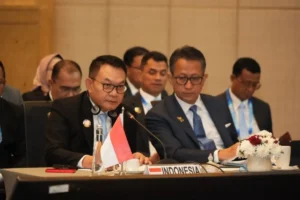
Jakarta, The Gulf Observer: Indonesia has reaffirmed that it will not impose tariffs on vessels transiting the Malacca Strait, with Foreign Minister Sugiono stating that such a move would be inconsistent with international maritime law.
Speaking to journalists on Thursday, Sugiono emphasized that Indonesia remains committed to the principles outlined in the United Nations Convention on the Law of the Sea (UNCLOS), which governs the use of global waters. He noted that while UNCLOS recognizes Indonesia as an archipelagic state, it also obliges the country not to impose tariffs on straits within its jurisdiction that are used for international navigation.
“Indonesia respects international law, including UNCLOS,” Sugiono said, adding that the country fully supports the principle of freedom of navigation. He underscored the importance of maintaining the Malacca Strait as an open, neutral, and efficient maritime corridor for global trade.
“We also hope for free passage, and I believe this is a shared commitment among many countries to create a shipping lane that is open, neutral, and mutually supportive,” he stated, firmly dismissing any possibility of tariff imposition.
The clarification follows earlier remarks by Finance Minister Purbaya Sadewa, who had raised the prospect of introducing tariffs on ships passing through the strait.
Regional stakeholders have also weighed in on the issue. Singapore’s Foreign Minister Vivian Balakrishnan reiterated that countries bordering the strait share a strategic interest in keeping the vital waterway open and accessible.
“The right of transit passage is guaranteed for everyone. We will not participate in any attempts to close or interdict or to impose tolls in our neighborhood,” Balakrishnan said in an interview on Wednesday.
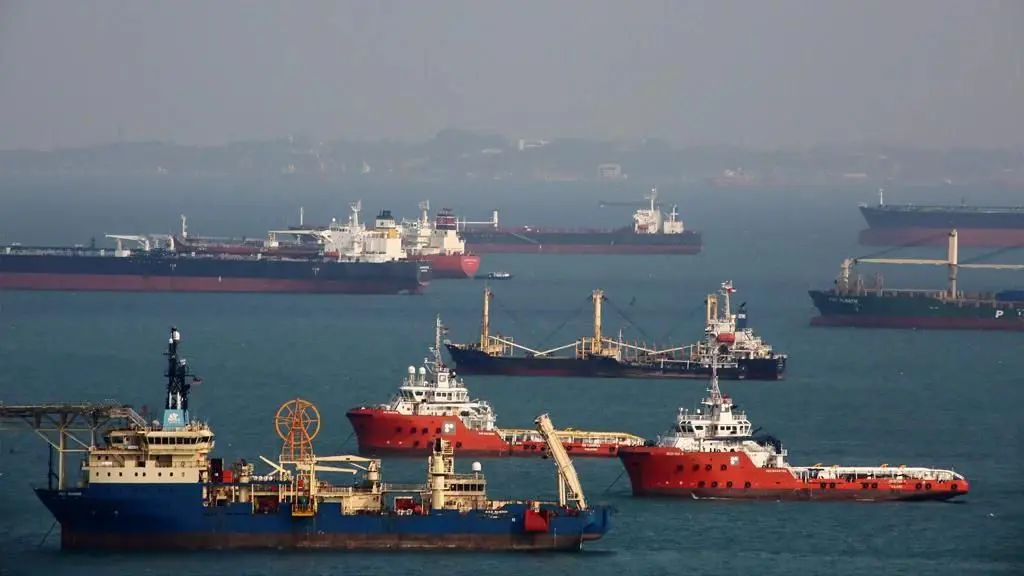
The Malacca Strait, one of the world’s busiest and most strategically important shipping lanes, is recognized under UNCLOS provisions—particularly Articles 37, 38, and 39—which guarantee the right of transit passage for international maritime traffic. Indonesia, a signatory to the convention, has consistently upheld these principles as part of its maritime policy framework.