Turkmenistan’s 2026 Development – Balancing Economic Growth, Social Investment and Urban Modernization
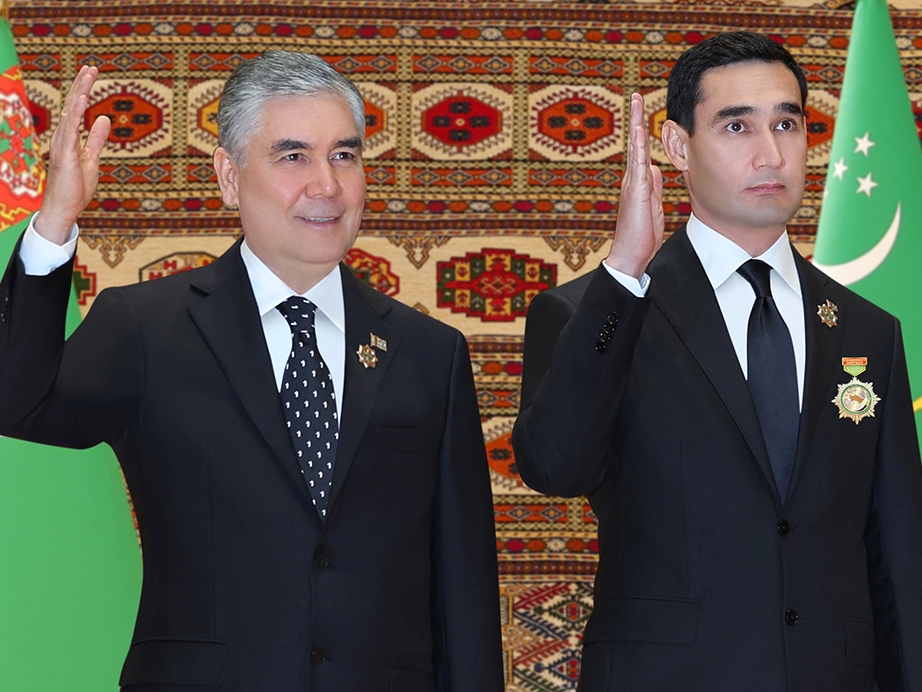

The policy base for 2026 with the motto “Independent neutral Turkmenistan − the homeland of purposeful winged horses” outlines a general blueprint for further development, which includes economic stability, social development and infrastructure expansion. The agenda is presented as one of “dynamic transformations” and the state’s focus is on long-term planning under the umbrella of national programs stretching into the year 2052, claiming to move towards developed countries’ standards of living.
Macroeconomic stability is a key feature of this model of development. A GDP growth rate of 6.3 percent for the reported economy is emphasized as a result of good economic performance and continued effectiveness of economic reform. In this context, the growth of national income is seen as a means to stimulate consumer demand and create new business opportunities, and there is a plan to continuously diversify the domestic economy from the traditional sectors.
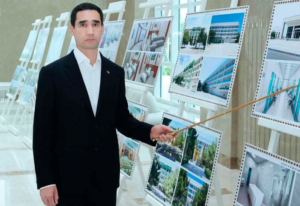
Large scale housing and settlement development is an issue which receives significant attention and which continues to provide an overt sign of the state-led modernization. The concept of integrated community planning can be reflected in new villages and residential complexes like “Döwletli mekan”, “Bagtly zamana” and “Bitaraplyk”. They are integrated projects that integrate housing, schools, healthcare, cultural center, services, etc., with the objective of creating self-supporting local environments, not isolated extensions of the city.
The “Bitaraplyk” settlement is in particular presented as the model for regional development and includes hundreds of residential units and complete social infrastructure. The focus on the use of locally sourced construction materials and the provision of all-round public services suggests a policy direction that is focused on strengthening internal capacities. The designation of Kunyaurgench etrap as the country’s best district is another affirmation to the competitive system that encourages the development of the regions.
The ongoing evolution of Arkadag as a “smart city,” is also a clear indicator of the urban modernization. The emphasis on medical-industrial clustering, in cooperation with Japanese and South Korean companies, reflects an attempt to incorporate advanced technologies and pharmaceutical production into the national economy. This dovetails into an overall goal of creating select cities as centres of innovation and for the export production.
Social policy is an important element, especially in the health and education sectors. Specialised medical centres particularly paediatric and oncology, new universities and schools demonstrate an investment based approach to human capital development. Such programs seek to enhance domestic access to specialized services, and also contribute to the country’s shift to a knowledge- and technology-intensive labor force.
Fiscally, the funding of a significant amount of the 2026 budget for production and infrastructure projects further suggests a government-led approach to development. Such a focus on transport infrastructure (Ashgabat-Turkmenabat highway), energy infrastructure, and the finance of housing further suggests a focus on connectivity and support for domestic welfare.
In general, the 2026 agenda of Turkmenistan is a continuation of the centralized, long-term planning which is a blend of economic stability and tangible measures on the field of infrastructure and social development. The strategy is consistent and scaled, but its effectiveness over time will depend on the ability of these investments to be translated to more lasting increases in productivity, economic diversification and private sector participation.