Indonesia Calls for Stronger Regional Climate Action at UNESCAP Forum
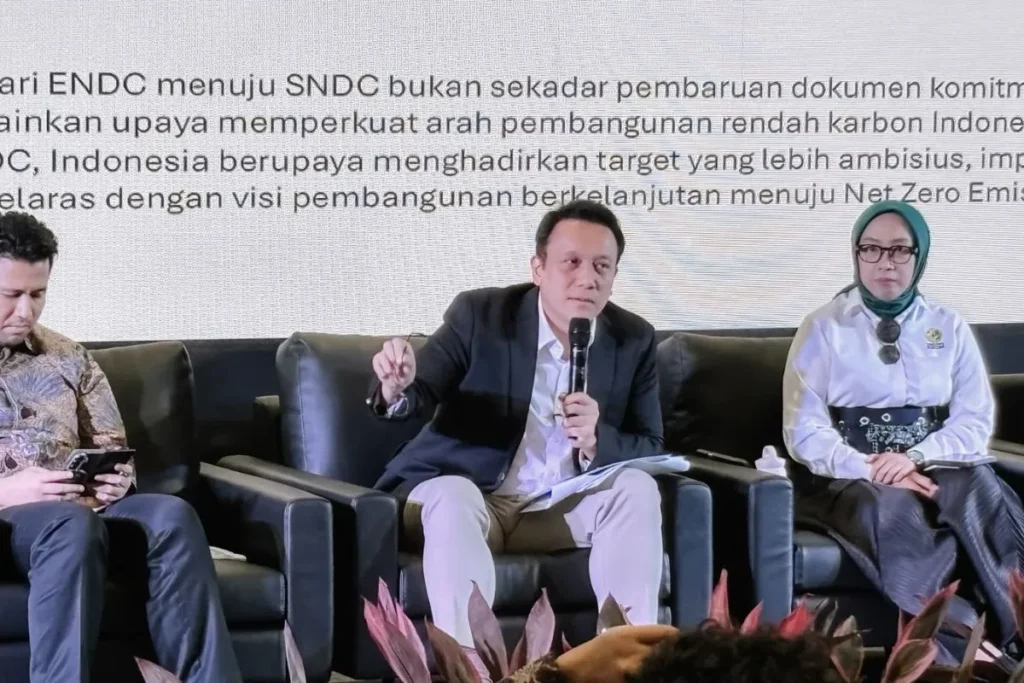
Jakarta, The Gulf Observer: Indonesia has called for enhanced regional cooperation to tackle climate change and promote sustainable development during the 9th Session of the Committee on Environment and Development of the United Nations Economic and Social Commission for Asia and the Pacific (UNESCAP) held in Bangkok, Thailand.
Leading the Indonesian delegation, Deputy Environment Minister Diaz Hendropriyono urged Asia-Pacific nations to adopt a unified approach to addressing the growing impacts of climate change while ensuring continued economic development.
“Environmental protection and economic development must go hand in hand. Only through stronger regional collaboration can we build a more resilient and sustainable Asia-Pacific region,” Diaz said in a statement issued on Saturday.
During the multilateral meeting, the deputy minister highlighted Indonesia’s ongoing initiatives to balance environmental conservation with economic growth. He pointed to the country’s extensive mangrove and peatland restoration programmes, as well as efforts to promote the circular economy and the blue economy as key pillars of its sustainable development strategy.
Diaz also outlined Indonesia’s policies on responsible water resource management and measures aimed at strengthening community resilience to climate change.
Representatives from 52 UNESCAP member states attended the session, including ministers and deputy ministers from Bangladesh, Fiji, the Maldives, the Solomon Islands, Thailand, Japan, Pakistan, Sri Lanka and Tajikistan. Delegates discussed a broad range of issues, including air quality, sustainable water management and policy frameworks that integrate environmental sustainability with economic growth.
In addition, officials from Indonesia’s Ministry of Marine Affairs and Fisheries participated in a side event titled “Accelerating Integrated Climate Action in Asia and the Pacific: Regional Cooperation for Blue Carbon Finance.” During the event, Indonesia presented its efforts to develop blue carbon financing mechanisms to support climate action through the protection and restoration of coastal and marine ecosystems.
The UNESCAP session concluded with the adoption of two major outcome documents: the Ministerial Declaration on Environment and Development in Asia and the Pacific 2026 and the Regional Programme of Action on Advancing Synergies for Sustainable Development in Asia and the Pacific, reaffirming the region’s commitment to strengthening environmental cooperation and sustainable development.