Indonesia Condemns Somaliland’s Move to Open Embassy in Jerusalem
Jakarta, The Gulf Observer: Indonesia and 17 other countries have strongly condemned the Somaliland region’s reported decision to open a so-called embassy in occupied Jerusalem, calling it a violation of international law and relevant United Nations resolutions.
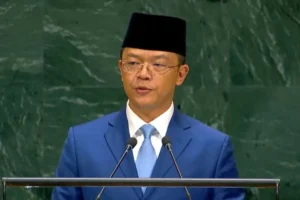
In a statement shared on social media platform X, Indonesia’s Foreign Ministry said the move “constitutes a flagrant violation of international law and relevant UN resolutions, and represents a direct infringement on the legal and historical status of occupied Jerusalem.”
The condemnation was issued jointly by the foreign ministers of Indonesia and 17 other countries, including Egypt, Saudi Arabia, Qatar, Jordan, Türkiye, Pakistan, Somalia, Palestine, and Kuwait, among others.
In their joint statement, the ministers reaffirmed their rejection of unilateral actions aimed at legitimizing arrangements that contravene international law and relevant UN resolutions regarding occupied Jerusalem.
They emphasized that East Jerusalem has been considered occupied Palestinian territory since 1967, adding that any measures seeking to alter its legal and historical status are “null and void and without legal effect.”
The ministers also reiterated their support for the unity, sovereignty, and territorial integrity of Somalia, rejecting any unilateral actions that undermine its sovereignty.
The statement came in response to Somaliland’s announcement that it intends to open an embassy in Jerusalem, while Israel is expected to establish a diplomatic mission in Somaliland’s capital, Hargeisa.
Israel had previously become the first country to recognize Somaliland as an independent state in December 2025.
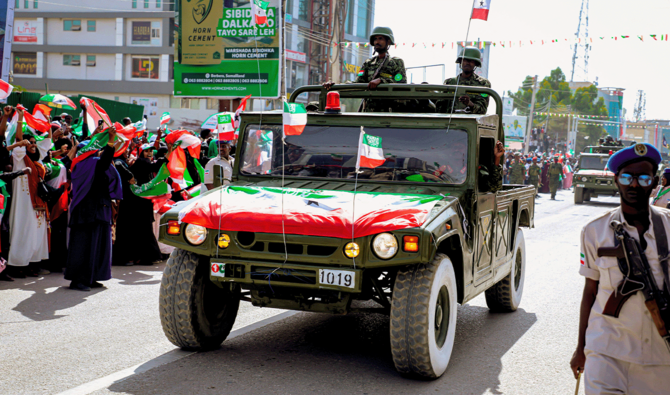
Somaliland, which declared independence from Somalia in 1991, operates its own government, currency, and security forces, but remains largely unrecognized internationally. It is considered by most countries, including Indonesia, as part of Somalia.
Jakarta reiterated its position opposing secessionist moves and reaffirmed its commitment to sovereignty, territorial integrity, and regional stability in the Horn of Africa.