Morocco Condemns Use of Strategic Straits as Pressure Tactic, Calls for Protection of Global Navigation Rights
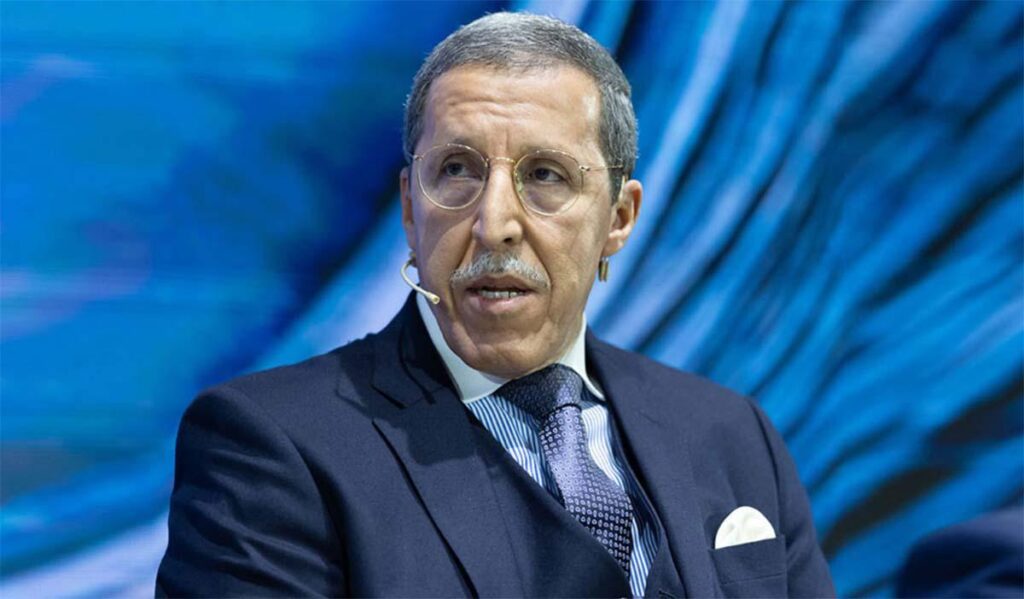
Rabat, The Gulf Observer: Morocco has strongly condemned the use of strategic maritime routes as instruments of pressure and coercion, warning that such practices pose serious risks to global trade, stability, and the principle of free navigation.
Morocco’s Ambassador to the United Nations, Omar Hilale, made the remarks on Monday during a joint press stakeout led by Abdullatif bin Rashid Al Zayani, alongside representatives of 96 UN member states. The group reaffirmed its collective commitment to safeguarding navigation rights and freedoms in the Strait of Hormuz.
Addressing the gathering, Hilale underscored that free navigation remains a cornerstone of global stability. “The seas belong to all humanity — not bargaining chips in the hands of those who have chosen hostility as a foreign policy for decades,” he stated.
Highlighting Morocco’s strategic geographic position at the crossroads of Africa and Europe and along the Strait of Gibraltar, Hilale emphasized that maritime security is a core national interest. “Freedom of navigation is not a diplomatic option — but an existential commitment rooted in geography and history,” he added.
The Moroccan envoy also strongly condemned recent attacks targeting commercial vessels in key waterways, including the Arabian Sea, Gulf of Aden, and the Red Sea. He warned that such actions by armed groups threaten international shipping routes and undermine global economic stability.
Hilale further highlighted two major initiatives led by King Mohammed VI to enhance maritime security across Africa. These include the Atlantic Royal Initiative, aimed at providing Sahel nations access to the Atlantic Ocean, and the Atlantic African States Process, which brings together more than 20 coastal countries to strengthen collective maritime security.
His remarks come amid escalating tensions in the Strait of Hormuz, as ongoing hostilities involving Iran, United States, and Israel continue to impact the vital corridor. Following military exchanges earlier this year, Iran imposed restrictions on the strait, effectively controlling vessel movement, while the United States responded with a naval blockade, creating complex transit conditions requiring approvals from both sides.
The strait, situated between Iran and Oman, is one of the world’s most critical energy chokepoints, handling approximately 20 percent of global oil and gas shipments. Disruptions in the passage have already affected energy markets, with rising prices and reduced maritime traffic due to persistent security risks.
Reports indicate that Iranian forces have seized or targeted commercial vessels, while military deployments from multiple sides continue to heighten tensions in and around the corridor. As a result, only limited shipping activity has resumed, with overall traffic remaining significantly below normal levels.