Indonesia Defends President Prabowo’s Nationwide Eid al-Adha Qurbani Program
Jakarta, The Gulf Observer: The Indonesian government has defended President Prabowo Subianto’s nationwide Eid al-Adha animal sacrifice initiative, describing it as a long-standing public welfare program aimed at ensuring that underprivileged communities can equally share in the celebrations of the Islamic festival.
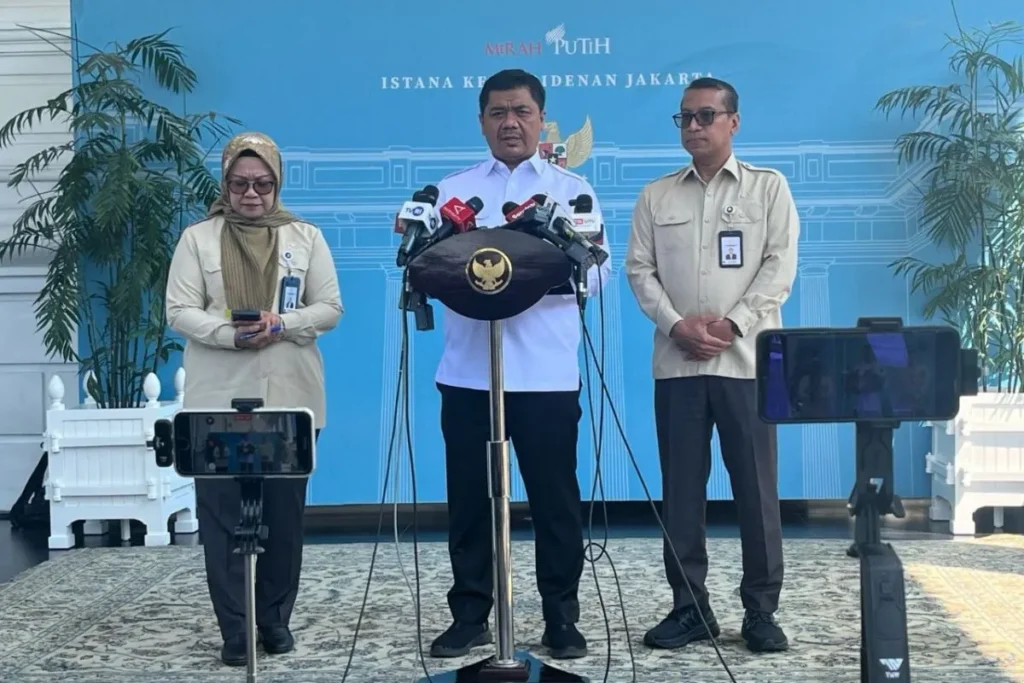
Deputy State Secretariat Minister Juri Ardiantoro stated on Thursday that the president’s sacrificial cattle distribution program was intended as a form of government assistance designed to spread the joy of Eid al-Adha through the slaughter and distribution of Qurbani meat.
“The president’s sacrificial cattle are essentially intended as a form of government aid, particularly aimed at immersing those in need in Eid al-Adha through animal slaughter,” Ardiantoro said in an official statement.
The clarification came in response to public discussion surrounding the use of Indonesia’s State Budget (APBN) to procure sacrificial animals, including 1,098 cattle distributed across various regions of the country.
Ardiantoro emphasized that the initiative was not linked to the president’s personal interests, but rather reflected a routine government program focused on public benefit and social solidarity during Eid al-Adha festivities.
He further noted that President Prabowo had also personally purchased additional Qurbani animals using his own funds, with the meat distributed directly among local residents.
Meanwhile, the Indonesian Ulema Council (MUI) affirmed that the use of APBN funds for sacrificial animals does not violate Islamic principles.
MUI Fatwa Chair Asrorun Niam Sholeh explained that the practice has historical precedent in Islamic governance, where leaders and imams utilized the baitul mal — or state treasury — to finance sacrificial offerings for the public.
“In the modern state context, APBN mirrors baitul mal. The state-initiated sacrifice is solely intended for the public good, with no Sharia complications,” Sholeh stated.
He added that the Qurbani initiative aligns with other forms of state welfare assistance, similar to government-funded staple food distribution programs, as the sacrificial meat is distributed directly to communities rather than consumed by state officials.