Tajikistan Marks International Children’s Day with Reminder of Parents’ Rights and Responsibilities
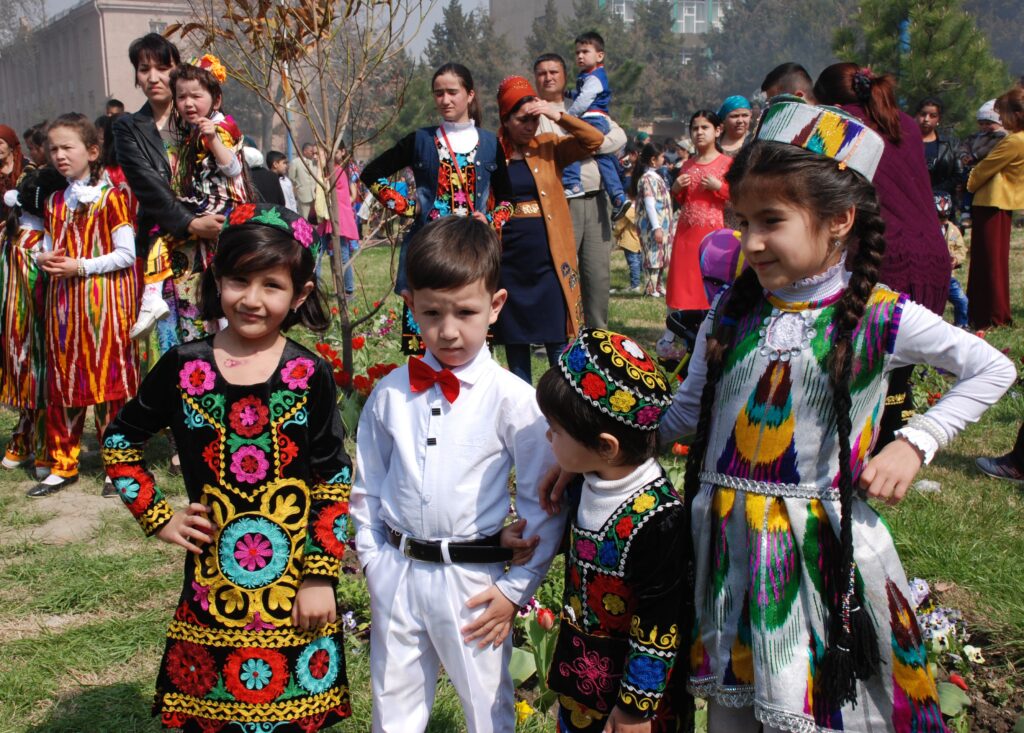
Dushanbe, The Gulf Observer: As Tajikistan joins the international community in observing International Children’s Day, authorities have highlighted the crucial role of parents in ensuring the education, upbringing, protection, and comprehensive development of children in accordance with national legislation.
The occasion serves not only as a celebration of childhood but also as a reminder of society’s collective responsibility to safeguard children’s health, education, moral development, and future well-being. In this regard, Khovar News Agency reviewed key provisions of the Law of the Republic of Tajikistan “On Responsibility for the Education and Upbringing of Children,” outlining the rights and obligations of parents.
According to the law, parents have the right to protect the legitimate interests of their children, choose educational institutions, participate in and monitor the educational process, contribute to the improvement of educational quality, and cooperate with schools and other educational bodies. They are also entitled to receive information regarding their child’s use of telecommunications services and to seek assistance from relevant authorities when obstacles to a child’s education arise.
The legislation places significant responsibilities on parents to ensure that children receive education, including preschool and general secondary education. Parents are required to provide the necessary learning conditions and educational materials, monitor academic progress and attendance, cooperate with teachers and school administrations, and encourage the study of the state language and foreign languages.
The law further obliges parents to support the physical, intellectual, moral, and spiritual development of their children, prepare them for independent life, and raise them in the spirit of patriotism, respect for the law, national values, cultural traditions, and universal human principles.
In addition, parents are required to protect children from harmful influences, including violence, substance abuse, extremist and terrorist content, pornography, and other prohibited materials. They must monitor children’s internet use, promote responsible mobile phone usage, and prevent involvement in unlawful or anti-social activities.
The legislation also prohibits parents from allowing children to engage in unauthorized religious education, use tobacco, alcohol, narcotics, or psychotropic substances, operate vehicles without legal authorization, or possess dangerous items such as weapons and explosive materials.
Special provisions of the law emphasize the importance of protecting children’s dignity and rights, banning physical punishment and all forms of cruel, degrading, or inhumane treatment. Parents are also encouraged to ensure equal treatment of children regardless of gender, age, or physical and intellectual abilities.
The reminder comes as the international community continues to promote the principles of the United Nations Convention on the Rights of the Child, adopted in 1989 and entering into force on September 2, 1990. The convention recognizes all persons under the age of 18 as children and affirms that every child enjoys equal rights regardless of gender, religion, age, or ethnicity.
Following its independence, Tajikistan became one of the early signatories to the Convention on the Rights of the Child in 1993, reaffirming its commitment to protecting children’s rights and investing in the younger generation as the country’s future.
International Children’s Day is observed annually to raise awareness of children’s rights and welfare and to encourage governments, communities, and families to create a safe and supportive environment for every child to thrive.