Biofuel Strategy of Indonesia
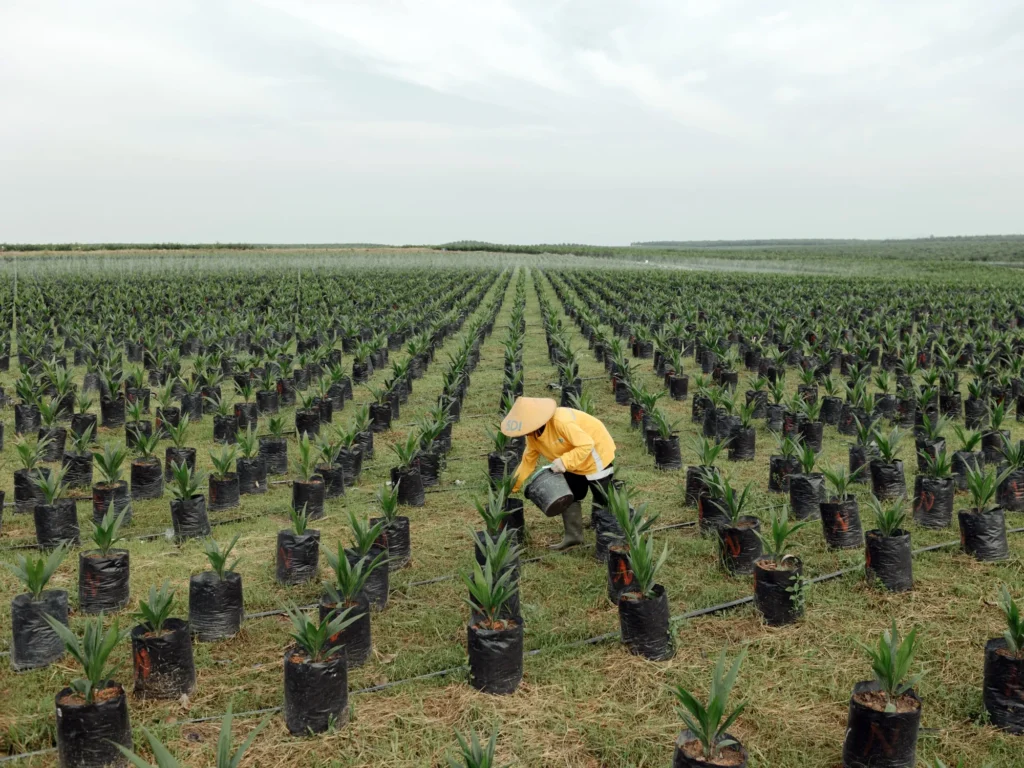

Indonesia is slowly making biofuels a strategic buffer to volatility of the global energy markets where geopolitical tensions and supply disruptions remain a source of uncertainty. With the world crude oil prices being pegged at around the $100-per-barrel level, structural weaknesses in net-importing economies are getting more visible putting the country at the risk of external shocks that directly translate into fiscal stability and economic growth.
The core of this instability is the vulnerability of world supply channels, especially the Strait of Hormuz which is a key channel of global oil. The constant threat between Iran and the United States has increased the sensitivity of the market, whereby even small geopolitical cues will cause an unproportional change in prices. In the case of Indonesia this is translated into an increase in the cost of imports, inflationary pressures and a strain on energy subsidies.
Strategic Insurance of Biofuels
In reaction, the policy-making system in Indonesia, led by Prabowo Subianto, has shifted to energy security and independence. The growth of palm oil-based biodiesel, specifically the proposal to shift to B50 mix requirement is a calculated move to lessen reliance on imported diesel. This strategy emphasizes a progressive but systematic energy transformation based on the earlier successes of B20 to B40.
Capital-intensive renewable solutions are not required, which means that biodiesel can be scaled at any point, unlike renewable alternatives that cannot be immediately used as a substitute fuel. This will enable Indonesia to implement solutions fast without having to restructure the entire energy system which is an important benefit during periods of market instability.
Economic and Agricultural Integration
Indonesia is also redefining its domestic economy, which is mainly agricultural, due to the biodiesel push. Indonesia is one of the largest palm oil producers in the world, and as such, it is incorporating its commodity into the national energy policy. This change does not only boost domestic value addition, but also boosts the economy of rural areas by increasing the earnings of farmers and stabilizing demand.
Nonetheless, such integration brings about a fine balancing act. Policymakers should make sure that higher domestic consumption of palm oil does not compromise the competitiveness of exports a vital component of the foreign trade in Indonesia.
Fiscal and Structural Constraints
The biofuel strategy is not risk free as it has its merits. The growth of biodiesel programmes needs to be supported on a long-term basis by subsidies and price systems. Experts are afraid that although the dependence on imports can decrease, in the long-run financial strains might arise in case such programs are not managed properly.
Also, this strategy will be successful because it depends on a number of structural factors such as a stable supply of palm oil, effective logistics in all industries, and efficient coordination of industries. Any disturbance in these areas may undermine the desired resilience.
A Stepwise and Practical Change
The wider energy transition policy of Indonesia is pragmatism as opposed to radical change. The country is also looking at bioethanol made out of crops such as sugarcane and cassava, in addition to biodiesel, thus increasing its energy mix. The focus of these initiatives is on gradual improvement focusing on short-term stability and establishing the future of long-term sustainability.
Strategic Outlook
Finally, the biofuel-based strategy of Indonesia is a strategic adaptation to a fluctuating international environment. Using its home base, the nation is in the process of trying to isolate itself against unpredictable externalities and keeping its economy in check.
This strategy will be successful to the extent that Indonesia is able to cope with three key variables that include the increasing energy demand, shortage of agricultural supply and fiscal sustainability. When well-coordinated, biofuels have the potential to transform into a national energy security pillar as a temporary buffer.
The fact that Indonesia is turning to domestically anchored fuels as a response to geopolitical uncertainty and turbulence in the energy market is a sign of a more fundamental transformation in energy policy, one in which energy policy ceases to focus solely on supply, but rather on resilience, sovereignty and economic stability over the long term.