Philippines, Japan Elevate Ties to Comprehensive Strategic Partnership as Marcos Concludes Successful State Visit
Tokyo, The Gulf Observer: Philippine President Ferdinand Marcos Jr. on Friday concluded a four-day State Visit to Japan, describing the trip as “highly productive and constructive” after securing major economic, strategic, and diplomatic gains that further strengthened bilateral relations between the two countries.
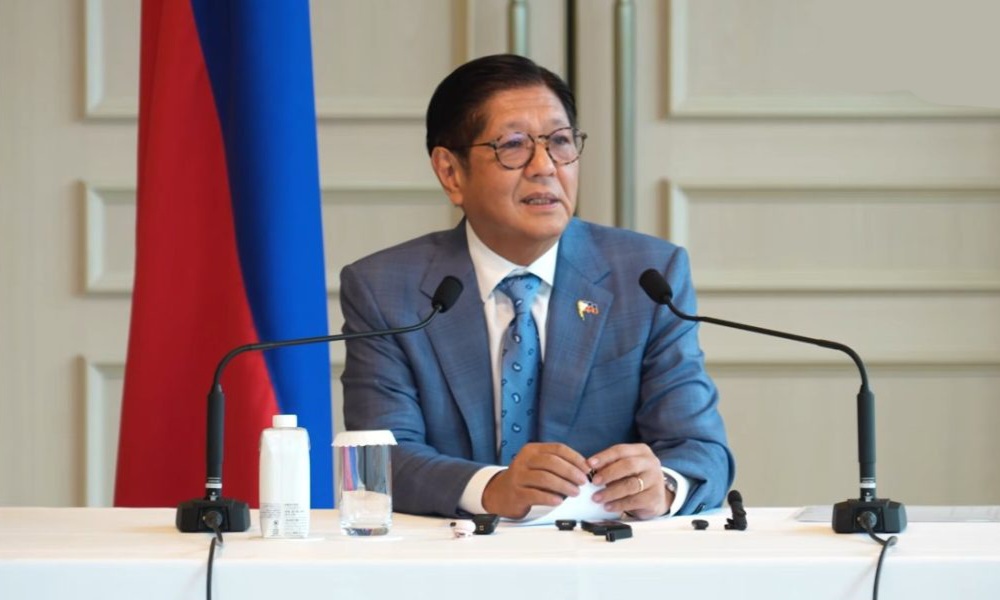
Speaking to members of the Philippine media delegation before departing Tokyo, President Marcos said the visit came at a significant time as the Philippines and Japan celebrate 70 years of diplomatic relations.
One of the key outcomes of the visit was the agreement between President Marcos and Japanese Prime Minister Sanae Takaichi to elevate bilateral relations from a Strengthened Strategic Partnership to a Comprehensive Strategic Partnership, reflecting deeper and broader cooperation across multiple sectors.
During the visit, President Marcos also held an Imperial Audience with Emperor Naruhito and Empress Masako, reaffirming the longstanding friendship and goodwill between the Filipino and Japanese peoples.
The two leaders discussed cooperation in security, maritime affairs, defense, trade, and investment, while agreeing to expand collaboration in emerging fields including energy security, supply chain resilience, decarbonization, artificial intelligence, and space technology.
President Marcos and Prime Minister Takaichi also exchanged views on regional and international issues, including developments in the South China Sea and the Middle East, and reaffirmed their commitment to ASEAN unity and regional stability. Japan also expressed support for the Philippines’ bid for a seat on the United Nations Security Council.
Several agreements were signed during the visit, including a landmark accord on the avoidance of double taxation aimed at improving the business environment and encouraging greater cross-border investment. Additional agreements covering agriculture, fisheries, healthcare, and human resource development were also concluded.
In the field of defense and security, both countries announced the start of negotiations on a General Security of Military Information Agreement (GSOMIA) and maritime boundary delimitation.
The visit also yielded significant economic benefits, with meetings between President Marcos and leading Japanese corporations resulting in approximately US$3.4 billion in investment pledges, pipeline opportunities, financial support facilities, and tourism-related investment prospects.
Separate discussions with executives from Furukawa Electric Corporation, Sumitomo Electric Industries, MinebeaMitsumi Inc., and Tsuneishi Group Corporation produced expansion commitments worth around PHP56.3 billion in the semiconductor, advanced electronics, precision manufacturing, and shipbuilding sectors.
According to Philippine officials, these investments are expected to generate approximately 10,300 direct and indirect jobs for Filipinos.
President Marcos also met members of the Filipino community in Japan and acknowledged the contributions of an estimated 330,000 Filipinos living and working in the country. He reiterated that the welfare of overseas Filipinos remains a key priority of his administration.
The Philippine leader expressed confidence that the newly established Comprehensive Strategic Partnership would further deepen cooperation between the two nations and create new opportunities for economic growth, security, and development for both peoples.