Cuba Suffers Third Nationwide Power Grid Collapse in Less Than 10 Days
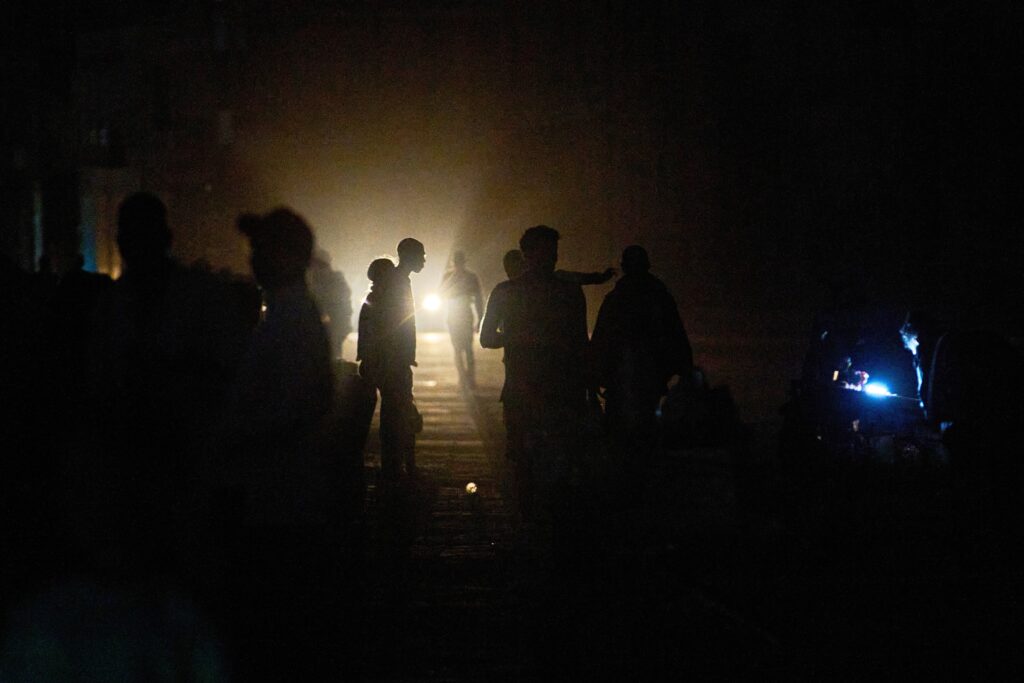
Havana, The Gulf Observer: Cuba’s national electricity grid collapsed for the third time in less than 10 days on Tuesday after the unexpected shutdown of a major generating unit triggered a nationwide blackout, further exposing the vulnerability of the country’s ageing power infrastructure.
According to the state-run electricity utility UNE, the outage began when the Felton 1 thermoelectric generating unit unexpectedly went offline, causing a sudden fluctuation in the electrical system.
In a statement posted on X, UNE said the shutdown of the Felton 1 unit caused a sharp change in the system’s frequency, forcing the National Electric System (SEN) to disconnect completely.
The electricity operator said technical teams are working to restore power by gradually bringing thermoelectric plants in western Cuba back into operation. Authorities are also establishing isolated “microsystems” to restore electricity in phases, with priority being given to hospitals, emergency services and other essential public facilities.
Tuesday’s outage marks the third nationwide power grid failure in less than 10 days, following another major blackout on July 10, highlighting the increasingly fragile condition of Cuba’s electricity network.
The Caribbean nation has been grappling with persistent power shortages amid its most severe economic crisis in decades. Ageing power plants, chronic fuel shortages and years of underinvestment have significantly weakened the national electricity system, making it more susceptible to widespread failures.
Cuban authorities have consistently attributed the worsening energy crisis to tighter U.S. sanctions, arguing that the measures have disrupted fuel imports, discouraged international companies from doing business with the island and restricted access to global financing.
The latest nationwide blackout is expected to place additional pressure on the government as millions of Cubans continue to endure repeated electricity disruptions, affecting households, businesses and critical public services across the country.