Morocco, United States Hold Ninth FTA Joint Committee Session to Deepen Trade Cooperation
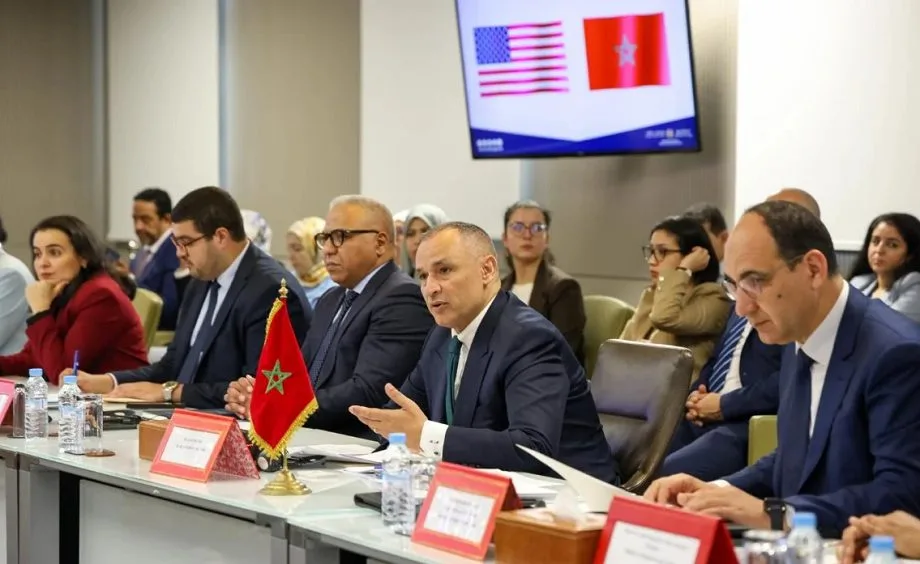
Marrakech, The Gulf Observer: Morocco and the United States held the ninth session of their Free Trade Agreement (FTA) Joint Committee in Rabat on Monday, reaffirming their commitment to strengthening bilateral commercial relations and addressing trade imbalances between the two countries.
The meeting brought together Morocco’s Minister of Industry and Commerce, Ryad Mezzour, senior institutional officials from both nations, and a delegation from the Office of the United States Trade Representative.
Speaking after the session, Mezzour said discussions focused on facilitating trade transactions, improving access for Moroccan products to the American market, and addressing customs-related challenges affecting bilateral commerce.
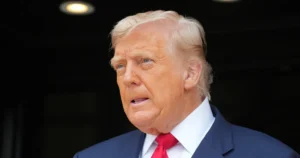
Particular attention was given to the impact of recent US tariff measures introduced under President Donald Trump’s “Liberation Day” trade policy in April 2025, which imposed a blanket 10 percent tariff on Moroccan imports. While Morocco received the lowest tariff tier compared to regional neighbors, officials expressed concern over potential effects on key Moroccan export sectors including agro-food products, fertilizers, and automotive components.
Mezzour emphasized the need for practical solutions to ensure a more balanced trade relationship and highlighted Morocco’s growing importance as a strategic gateway to African markets amid increasing US interest in diversifying trade partnerships across the continent.
Morocco remains the only African country with a free trade agreement with the United States. The agreement, signed in 2004 and implemented in 2006, eliminated duties on more than 95 percent of goods and services traded between the two countries.
According to data from the USTR, US goods exports to Morocco reached $5.5 billion in 2025, marking a 4.2 percent increase from the previous year, while US imports from Morocco totaled $1.9 billion, reflecting a 2.1 percent decline. The US trade surplus with Morocco rose to $3.7 billion in 2025.
A recent analysis by the Brookings Institution noted that the FTA had a mixed impact on Moroccan exports, particularly in strategic sectors such as agro-food and automotive manufacturing, citing asymmetrical tariff commitments between the two sides.
Monday’s discussions also explored mechanisms to improve the competitiveness of Moroccan exports under the current tariff framework and enhance cooperation in emerging sectors, including electric vehicle battery supply chains linked to Morocco’s critical mineral resources.
The session came amid growing economic and diplomatic engagement between Rabat and Washington. In March, US Ambassador Richard Duke Buchan met with Mezzour in Rabat to discuss expanding bilateral investment opportunities, describing Morocco as a country offering “boundless opportunities” for American businesses.
During GITEX Africa 2026 in April, Buchan reaffirmed Washington’s support for Morocco as a regional investment hub and highlighted increasing American investor interest in Morocco’s southern provinces.
The strengthening partnership was further underscored during the recent visit of US Deputy Secretary of State Christopher Landau to Morocco, where he described the kingdom as “an essential, stable, and strategic partner.”
At a joint press conference in Rabat, Moroccan Foreign Minister Nasser Bourita stated that bilateral trade had increased sevenfold since the FTA entered into force and announced Morocco’s participation in the US-led “Trade Over Aid” initiative.
The evolving trade, diplomatic, and defense cooperation between the two countries coincides with the commemoration of the 250th anniversary of US independence. Morocco was the first nation to recognize American independence in 1777.
Officials said the FTA Joint Committee remains the principal institutional mechanism for overseeing the agreement and resolving bilateral trade matters as both countries continue to broaden their strategic partnership.