Morocco’s Public Portfolio Sees Strong Growth as Reforms Deliver Results: Finance Minister
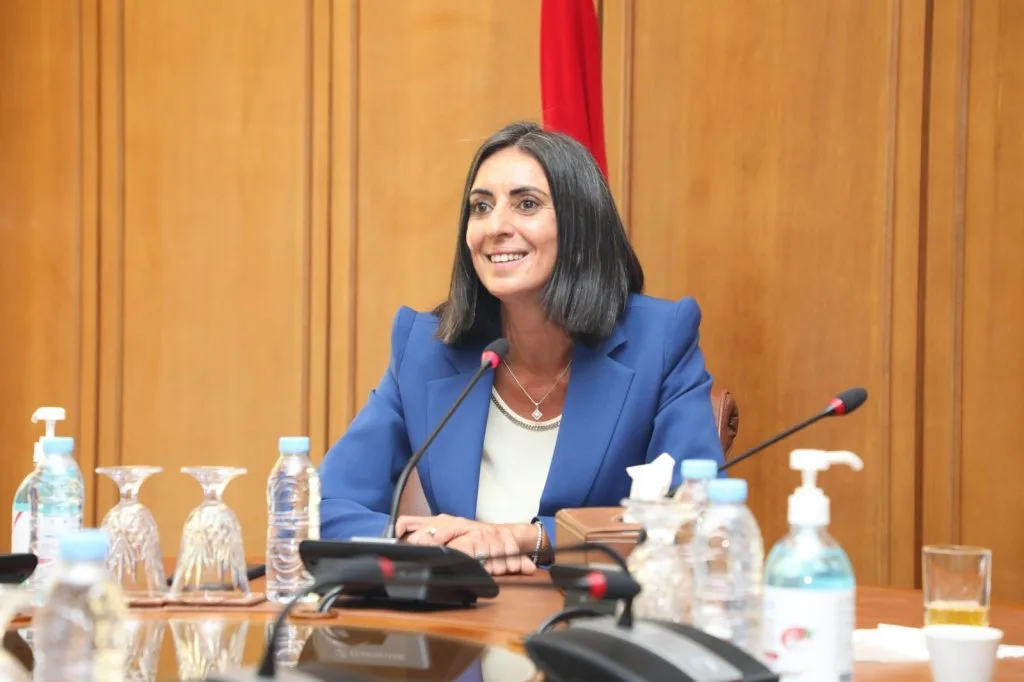
Agadir, The Gulf Observer: Morocco’s public portfolio has registered significant growth, with investment volumes increasing by 98 percent, Economy and Finance Minister Nadia Fettah informed the House of Councillors on Tuesday.
Addressing lawmakers on the reform of public institutions and enterprises (PIEs), Fettah said the country’s public portfolio has achieved “concrete and measurable” results as Morocco pursues a comprehensive reform program aimed at enhancing governance, efficiency, and economic performance.
According to the minister, the turnover of public institutions and enterprises increased by 40 percent during the period under review, while net profits rose from MAD 16.4 billion to MAD 26.6 billion, recovering strongly from the challenges experienced in 2022.
Fettah also noted that transfers from public entities to the state budget climbed by 54 percent, reflecting the growing capacity of Moroccan public enterprises to generate value and contribute more effectively to national finances.
The minister emphasized that public institutions remain essential instruments for implementing state policies and delivering strategic infrastructure and public services.
“Whenever the issue of reforming public institutions and state-owned enterprises is raised, a legitimate question frequently emerges: Why do we have such a large number of public institutions and enterprises?” Fettah said.
She stressed that these entities play a critical role in financing economic development, supporting businesses, and ensuring access to key public services across the country.
Highlighting their importance, Fettah asked, “Who would finance or provide guarantees to small and medium-sized enterprises when they struggle to access funding? Who would invest in the dams that ensure the Kingdom’s water security? Who would build ports, highways, and railway lines?”
She described public institutions as more than administrative structures, saying they serve as key tools through which the state implements public policies, translates royal directives into development projects, and delivers services to citizens.
The minister also highlighted Morocco’s adoption of a State Ownership Policy, which views public institutions and enterprises as an integrated strategic portfolio rather than a collection of separate entities.
A major component of this transformation has been the establishment of the National Agency for the Strategic Management of State Holdings and Monitoring the Performance of Public Establishments and Enterprises.
“We have gradually moved from managing each institution separately to a model of a State shareholder, which defines strategic objectives, measures results, and monitors performance,” Fettah said.
She added that the portfolio’s growth is reflected not only in stronger financial indicators but also in a modern management approach focused on investment, value creation, and sustainable financing mechanisms that reduce reliance on state guarantees.
The reforms form part of Morocco’s broader efforts to strengthen public-sector governance, improve economic competitiveness, and enhance the contribution of public institutions and enterprises to the country’s long-term development.