Saudi Cabinet Affirms Stability of Global Energy Supplies, Approves Key Reforms and International Agreements
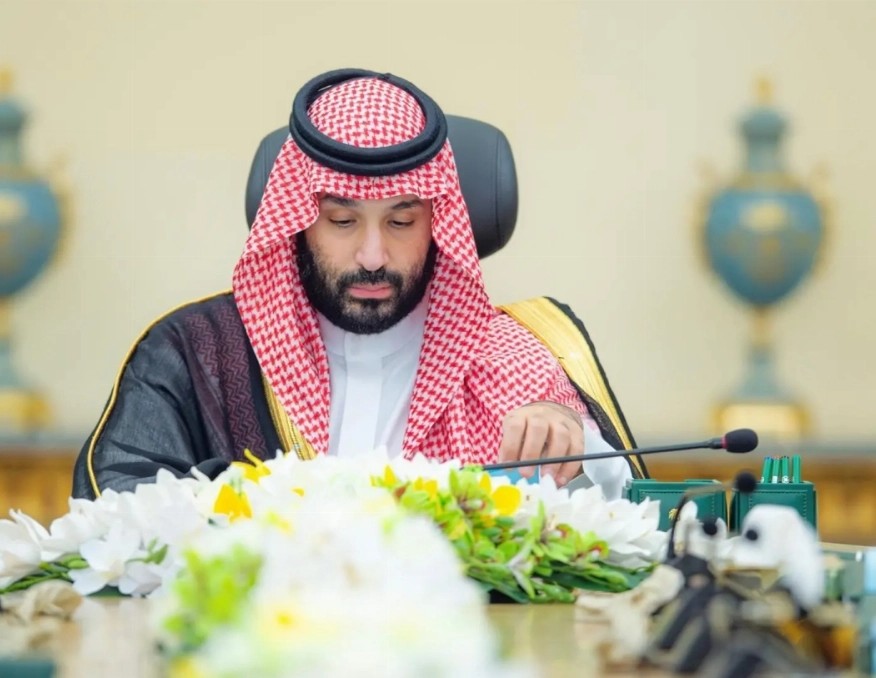
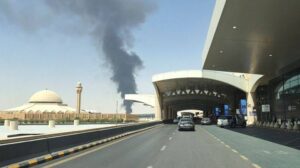
Jeddah, The Gulf Observer: The Saudi Council of Ministers, chaired by Crown Prince and Prime Minister Mohammed bin Salman, reaffirmed the uninterrupted flow of global energy supplies following the swift restoration of production at several facilities damaged by recent Iranian attacks, during its session held in Jeddah on Tuesday.
In a statement to the Saudi Press Agency, Minister of Media Salman Al-Dossary said the Cabinet commended the rapid operational and technical response that enabled the recovery of affected energy infrastructure. He noted that the swift restoration reflects the Kingdom’s high operational flexibility and advanced crisis management capabilities, reinforcing the reliability of supplies to both domestic and global markets and supporting overall economic stability.
At the outset, the Cabinet praised the Armed Forces for their role in defending the Kingdom and safeguarding its resources against the attacks, describing Saudi Arabia as a pillar of security and stability in the region. The Council reiterated its firm rejection of any violation of sovereignty and condemned the drone attacks targeting Saudi Arabia and Gulf Cooperation Council states, stressing the need for the Iraqi government to address such threats responsibly.
The Cabinet also reviewed key national achievements across multiple sectors. It highlighted the success of the Umrah and Ziyarah Forum held in Madinah, noting that its broad international participation and the signing of multiple agreements will contribute to enhancing services for pilgrims and strengthening sectoral integration.
In the field of innovation, the Council welcomed the successful launch and mission completion of the Shams satellite, developed entirely by Saudi nationals, underscoring the Kingdom’s commitment to scientific advancement and international collaboration in space exploration.
The Cabinet further acknowledged achievements in education and healthcare, particularly the awards and medals secured at the Geneva International Exhibition of Inventions 2026, reflecting continued progress and institutional excellence. It also noted that eight Saudi cities ranked highly in the 2026 Smart Cities Index issued by the International Institute for Management Development, highlighting advancements in infrastructure, services, and quality of life.
Environmental progress was also emphasized, with the Cabinet commending efforts under the Green Saudi Arabia initiative, including the rehabilitation of one million hectares of degraded land and the planting of over 159 million trees.
On the legislative front, the Cabinet approved the Enforcement Law and amendments to the Anti-Money Laundering Law. It also extended the Jeddah Historic District Program for an additional two years and approved state coverage of taxes and customs duties on livestock imports during the Hajj season.
The session endorsed several international agreements, including memoranda of understanding on political consultations with Luxembourg, Islamic affairs cooperation with Tanzania, and infrastructure collaboration with Hong Kong. Additional MoUs were approved in civil aviation with multiple countries, tourism promotion with Qatar, and investment cooperation with Jordan.
The Cabinet also approved agreements involving the Saudi Authority for Data and Artificial Intelligence and the Islamic World Educational, Scientific and Cultural Organization, as well as cooperation with the United Nations Counter-Terrorism Centre and an electronic customs data exchange agreement between Saudi Post and the United States Postal Service.
The Council reaffirmed Saudi Arabia’s commitment to strengthening international partnerships, enhancing national resilience, and advancing sustainable development across key sectors.