Việtnam Unveils Breakthrough Strategy to Develop National Energy Centres, Strengthen Energy Security
Hanoi, The Gulf Observer: Việtnam is set to introduce transformative policies to develop national energy centres as part of a broader strategy to enhance energy security and sustain robust economic growth, senior officials announced.
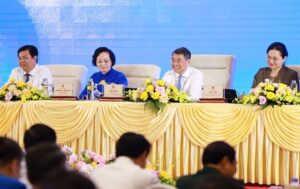
Speaking at a national conference, Nguyễn Thanh Nghị, Chairman of the Central Policy and Strategy Commission, said energy development will serve as a cornerstone in building a modern and integrated infrastructure system over the next five years.
Under a revised national energy plan approved earlier this year, the country aims to transition toward clean energy while positioning itself as a regional exporter of renewable power. By 2030, several clean energy hubs are expected to be established across key regions, including the Red River Delta, the south-central coast, the Central Highlands, and the southeast.
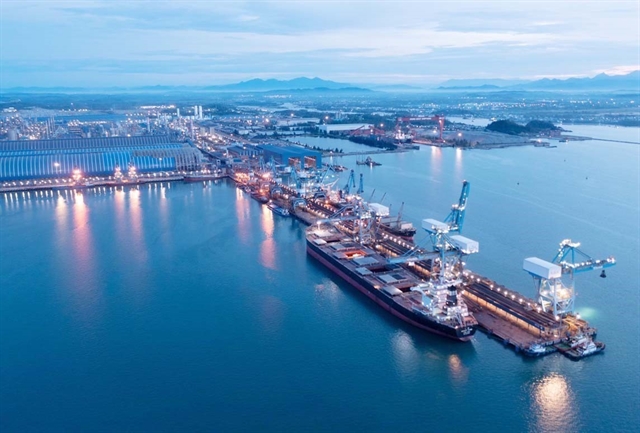
A major component of the strategy is the proposed development of a national refining and energy centre at the Dung Quất Economic Zone, with total investment projected at between $16 billion and $20 billion by 2045. Once completed, the facility is expected to meet at least 30 percent of the country’s fuel demand, maintain strategic reserves equivalent to 30 days of production and consumption, and create approximately 30,000 jobs.
Officials emphasized that the initiative would reduce reliance on energy imports, attract domestic and foreign investment, and stimulate the growth of supporting industries. The push comes as Việt Nam targets annual economic growth of at least 10 percent during the 2026–2030 period amid increasing volatility in global energy markets.
According to industry experts, the Dung Quất project represents a critical and urgent step in securing the country’s long-term energy future. Vietnam National Industry – Energy Group (PetroVietnam) is expected to play a central role in coordinating the development of an integrated energy ecosystem.
The planned centre will combine refining and petrochemicals with gas, liquefied natural gas (LNG), power generation, and renewable energy. It will build on the existing Dung Quất refinery while linking with major projects such as the Cá Voi Xanh gas field, offshore wind power developments, LNG infrastructure, and deep-water ports.
Officials noted that the initiative will not only boost domestic production capacity but also contribute to Việt Nam’s commitment to achieving net-zero emissions by 2050 through the development of emerging energy sources such as green hydrogen and green ammonia.
Experts have called for innovative policy mechanisms to support the ambitious project, including streamlined investment approvals, flexible land allocation processes, and the establishment of a pilot “sandbox” framework to enable an internal energy market within the centre.
However, challenges remain. Authorities highlighted investment bottlenecks, including the need for stronger incentives to attract large-scale capital. Proposals include allocating a portion of import-export revenues generated in the zone for infrastructure development, introducing tax incentives, and simplifying regulatory procedures.
Representatives from Bình Sơn Refining and Petrochemical Joint Stock Company also stressed the importance of a tailored policy framework to address the project’s complex technological requirements and long investment cycles. Recommendations include prioritizing strategic investors, offering tax breaks, and facilitating access to financing.
Local authorities in Quảng Ngãi Province have pledged close coordination with national agencies to finalize the development model and implementation roadmap in line with government directives.
At a recent government meeting, the Prime Minister underscored the urgency of advancing the Dung Quất project, describing it as a key test of Việt Nam’s ability to translate ambitious energy policies into a cohesive, future-ready system capable of meeting rising domestic demand and global sustainability commitments.