National Conference in Tajikistan Highlights State Independence as Foundation for Digital Economy Development
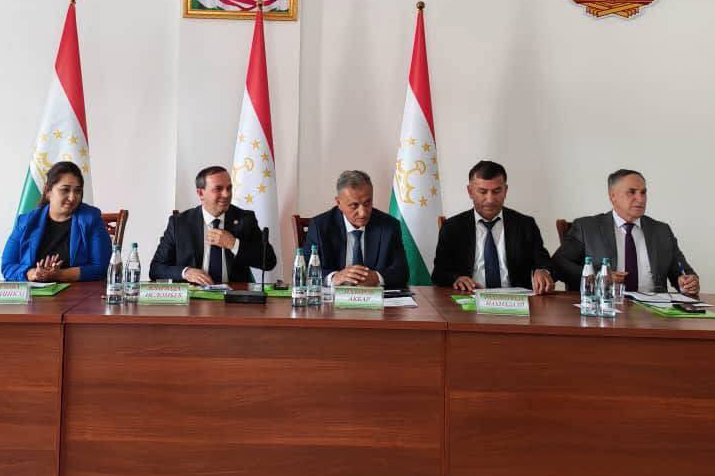
Vahdat, The Gulf Observer: A national scientific and practical conference titled “State Independence – The Main Foundation for the Development of the Digital Economy in the Republic of Tajikistan” was held at the State Educational Institution Statistics College of Vahdat City, bringing together academics, researchers, educators, and representatives of vocational and higher education institutions from across the country.
The conference was organized in commemoration of the 35th anniversary of the State Independence of the Republic of Tajikistan and as part of the implementation of government policy following the declaration of 2025–2030 as the “Years of Digital Economy and Innovation Development.”
Opening the event, Director of the Statistics College of Vahdat City, Islombek Zoirzoda, emphasized that during the years of independence, the constructive policies and initiatives of Tajik President Emomali Rahmon have created favorable conditions for sustainable economic growth, digital transformation across various sectors, and the introduction of modern technologies.
Participants discussed a wide range of issues related to the development of the digital economy, the application of advanced information technologies, innovation implementation, and the training of competitive specialists capable of meeting the demands of a rapidly evolving technological landscape.
Speakers noted that amid the rapid expansion of digital technologies, Tajikistan is paying special attention to the development of a digital economy through the implementation of various state programs and strategic initiatives. The designation of 2025–2030 as the Years of Digital Economy and Innovation Development was described as a reflection of the country’s commitment to building a knowledge-based economy and advancing modern technologies.
During the conference, researchers presented scientific papers examining the role of state independence in shaping the digital economy, the development of e-government, and the use of digital technologies in education, statistics, entrepreneurship, and public services. Participants also explored ways to strengthen scientific cooperation and innovation-driven development.
Attendees highlighted the importance of such forums in promoting the exchange of experience, expanding academic cooperation, and encouraging young people to engage in research activities. They stressed that digital economy development remains one of the key drivers of sustainable national progress.
The conference concluded with the adoption of a number of recommendations related to the issues discussed, while several participants and speakers were recognized with certificates of appreciation for their contributions.