Indonesia Prioritises Family Planning for Low-Income Households to Reduce Stunting
Jakarta, The Gulf Observer: Indonesia’s Ministry of Population and Family Development is prioritising family planning services for households in the country’s lowest four income deciles as part of efforts to reduce unmet contraceptive needs and accelerate the reduction of stunting.
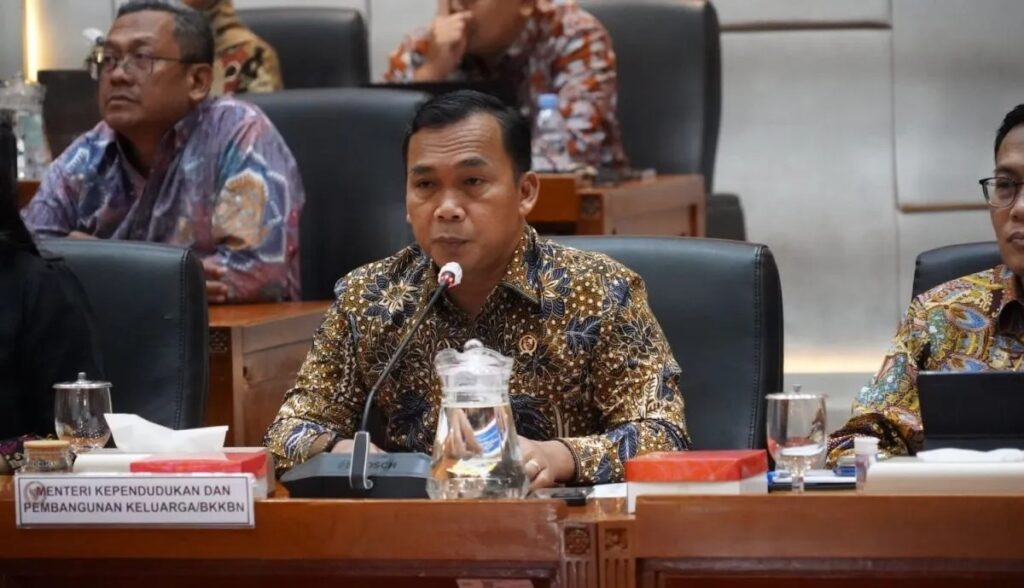
Speaking during a meeting with the House of Representatives’ Commission IX on Wednesday, Minister of Population and Family Development Wihaji said the initiative is focused on families ranging from the extremely poor to those vulnerable to poverty, ensuring they receive greater government support through expanded access to reproductive health services.
The minister noted that the number of users of long-term contraceptive methods has continued to increase, describing the expansion of long-term contraception as a key component of the government’s strategy to strengthen sustainable and high-quality family planning services.
Wihaji stressed that reducing stunting requires stronger collaboration across multiple sectors. He highlighted the importance of effective coordination among Family Facilitation Teams, integrated health posts, community health centres, and village administrations to provide comprehensive and sustainable support for families.
The minister also reported continued improvements in Indonesia’s family development and demographic indicators, citing findings from the 2025 Family Census. According to Wihaji, the ministry achieved several strategic targets, including improvements in the Total Fertility Rate, Population-Oriented Development Index, Family Quality Development Index, Family Development Index, and Demographic Issue Awareness Index.
He said these achievements reflect the government’s sustained commitment to building high-quality families as the foundation of Indonesia’s long-term human capital development.
In addition, the ministry announced a 2025 budget realisation rate of 98.71 percent, with financial statements prepared in accordance with Government Accounting Standards. The Supreme Audit Agency (BPK) once again awarded the ministry an unqualified audit opinion for its financial reporting.
The parliamentary meeting also reviewed the ministry’s priority programmes, including national initiatives aimed at reducing stunting, strengthening family welfare, and promoting sustainable population management.