Morocco Confirms Social Dialogue Schedule, Introduces New Campaign Financing Reforms Ahead of 2026 Elections

Rabat, The Gulf Observer: The Moroccan government has confirmed that the upcoming round of social dialogue will proceed as scheduled while unveiling a new framework for political campaign financing aimed at enhancing inclusive representation ahead of the September 2026 legislative elections.
Government spokesperson Mustapha Baitas announced the decisions during a weekly press briefing following a cabinet meeting on Thursday.
Social Dialogue to Proceed as Planned
Baitas reaffirmed that the April session of central social dialogue will take place “on the scheduled date,” bringing together government officials, leading trade unions, and the General Confederation of Moroccan Enterprises (CGEM).
Describing the dialogue as a “strategic choice” adopted since the government’s inception, Baitas noted that the upcoming session is expected to be the final in-person engagement between the government and social partners under the current legislature.
Key unresolved issues, including pension reform and revisions to the Labor Code, are expected to dominate discussions.
The dialogue comes amid mounting economic pressures linked to the Middle East conflict, which has driven fuel prices to their highest levels in over three years. In response, the government has expanded subsidies on gas, electricity, and road transport to cushion the impact on citizens.
New Campaign Financing Framework Approved
The cabinet also approved two draft decrees presented by the Interior Ministry, introducing significant amendments to the regulatory framework governing state contributions to political party financing.
The first decree revises existing provisions to establish a flat-rate allocation of public funding for all political parties, while also defining the distribution mechanism for additional funding tranches and advance payments.
A key feature of the reform is the introduction of enhanced financial incentives for political parties that nominate candidates from underrepresented groups. These include women, youth under the age of 35, Moroccans living abroad, and persons with disabilities.
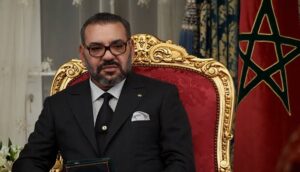
The measures build on earlier reforms endorsed by King Mohammed VI, which provide coverage of up to 75 percent of campaign expenses for young candidates and reserve regional electoral districts exclusively for women.
Baitas emphasized that these incentives are designed to encourage political parties to position such candidates prominently on electoral lists, thereby strengthening their representation in parliament.
Revised Spending Rules and Digital Campaigning
The second decree updates regulations governing the use of state campaign funds, introducing clearer guidelines on permissible expenditures and enhancing transparency.
It also incorporates provisions addressing the growing role of digital tools in political campaigning, reflecting evolving electoral practices.
Baitas stated that the amendments aim to improve regulatory clarity and ensure consistency in the application of campaign financing rules.
Toward Greater Political Inclusion
With legislative elections approaching, the reforms respond to longstanding demands from civil society organizations for stronger implementation of gender parity and broader political inclusion, as outlined in Morocco’s 2011 Constitution.
The government’s latest measures signal a concerted effort to modernize the electoral framework while promoting more diverse representation within the country’s political institutions.