Oman Participates in World Health Assembly in Geneva, Highlights Health Emergency Preparedness
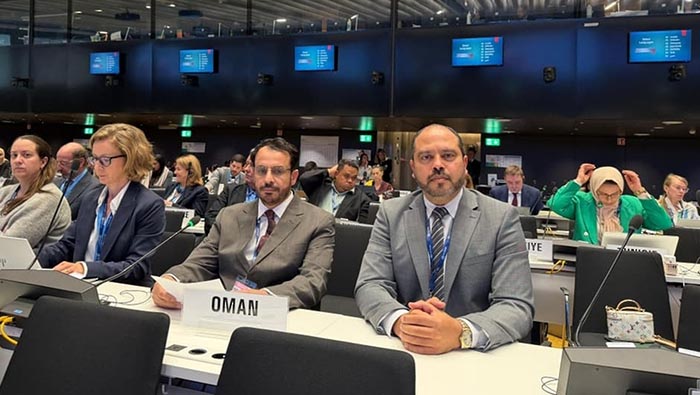
Geneva, The Gulf Observer: The Sultanate of Oman is participating in the 79th World Health Assembly (WHA79), currently being held in Geneva, where discussions are focusing on global health governance and preparedness for cross-border health emergencies.
During deliberations on agenda items related to readiness and response to health emergencies under the International Health Regulations (2005), Oman emphasized the importance of strengthening global health governance and enhancing coordination mechanisms in light of increasing challenges posed by climate change and transboundary health risks.
Oman highlighted its ongoing efforts to enhance national epidemiological surveillance systems, upgrade diagnostic capacities in reference laboratories, and modernize emergency preparedness frameworks in line with the “One Health” approach. The country is also developing integrated digital platforms for emergency management to improve response efficiency.
On the sidelines of the assembly, Dr. Rashid Mohammed Al Alawi stressed that preparedness for health emergencies is an essential institutional responsibility. He said that Khoula Hospital maintains rapid response plans and has trained qualified personnel capable of operating under challenging conditions.
He added that a comprehensive information system is being developed to align early warning and monitoring mechanisms with national and international advancements in health technology and knowledge transfer.
Separately, Dr. Hani Ahmed Al Qadi stated that the International Health Regulations (2005) represent a cornerstone of global health cooperation, translating into practical measures such as strengthened preparedness at land, sea and air entry points, improved laboratory efficiency, and updated emergency response systems based on the One Health framework.
He further noted that climate-related challenges in the region have made intersectoral coordination between health, environment and agriculture essential rather than optional, calling for increased investment in these integrated areas to ensure stronger resilience against future health threats.