UNESCO Advisory Body Recommends Nara’s Ancient Capital Sites for World Heritage Status
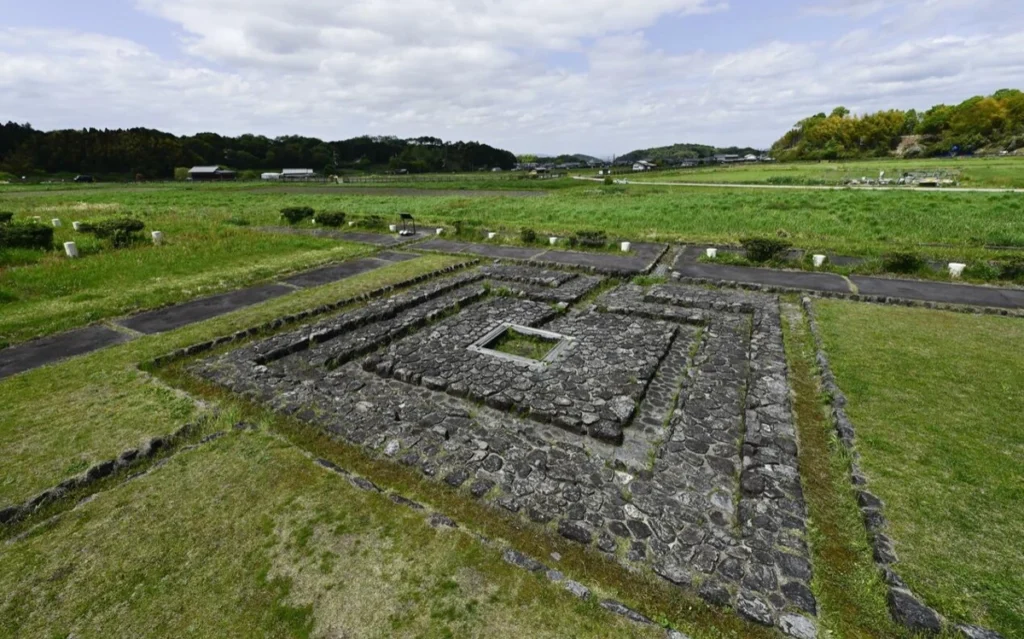
Tokyo, The Gulf Observer: A UNESCO advisory body has recommended that a collection of ancient archaeological sites in Japan’s Nara Prefecture be inscribed on the World Cultural Heritage List, marking a significant step toward international recognition of the sites that illustrate the emergence of Japan’s centralized state.
According to Japan’s Cultural Affairs Agency, the proposed inscription, titled “Asuka-Fujiwara: Archaeological Sites of Japan’s Ancient Capitals and Related Properties,” will be formally considered during the upcoming UNESCO World Heritage Committee meeting in South Korea, scheduled from July 19 to 29.
The recommendation has been welcomed by Japanese leaders, including Prime Minister Sanae Takaichi, whose electoral constituency is located in Nara Prefecture. In a message posted on social media platform X, Takaichi expressed her delight at the international recognition of Japan’s cultural heritage and reaffirmed the government’s commitment to securing the official designation.
If approved, the addition would increase Japan’s total number of UNESCO World Heritage sites to 27, comprising 22 cultural sites and five natural sites.
The Asuka-Fujiwara heritage cluster consists of 19 archaeological sites dating from the late sixth century to the early eighth century, a transformative period in Japanese history marked by the establishment of a centralized political system. The sites include the remains of the Asuka and Fujiwara Palaces, regarded as Japan’s first full-fledged capitals, as well as ancient Buddhist temple ruins and burial mounds that provide valuable insights into the country’s early state formation.
Among the most notable locations are the Takamatsuzuka Tomb, renowned for its vividly preserved wall paintings, and the Kitora Tomb, which contains what is believed to be East Asia’s oldest known astronomical chart.
The heritage nomination has been under consideration for nearly two decades. The sites were first placed on UNESCO’s tentative list in 2007, and Japan formally submitted its nomination dossier in 2025 after refining the proposal and reducing the number of component sites from 22 to 19.
Cultural heritage experts say the inscription would underscore the global significance of the Asuka-Fujiwara region as a key center of political, cultural, and religious development during a formative era of Japanese civilization.
The final decision on the nomination will be made by the UNESCO World Heritage Committee later this month.